Why Tennis Dampeners Matter: Reduce Vibrations, Improve Comfort
When you swing your racket and make contact with the ball, a vibration moves from the strings to the handle and into your hand. While this may seem minor, it can lead to discomfort or even pain. This is where a tennis racket dampener comes into play. A small device inserted between the strings helps manage these vibrations. Players often underestimate its importance, but it's one of the most essential racket accessories for improving the overall experience. Controlling these small shocks can lead to a more consistent gaming experience.
Myths, Misconceptions, and Debates
Despite their widespread use, tennis dampeners are surrounded by persistent myths and ongoing debates within the tennis community. One common misconception is that dampeners significantly reduce the risk of arm injuries such as tennis elbow; however, scientific studies have not yet confirmed a direct link between dampener use and injury prevention. Instead, dampeners mainly alter the sound and feel of ball contact, which some players mistake for reduced vibration at the handle. This has led to debate over their true effectiveness, with some arguing that their benefits are largely psychological rather than physical. Others question whether dampeners are necessary at all, suggesting that modern racket technology already incorporates vibration-reducing features.
The Science Behind Vibration and Impact Control
What Happens When a Tennis Ball Hits the Strings
Each time a tennis ball strikes the strings, it causes a sudden deformation of both the ball and the stringbed. This impact generates energy that spreads in different directions. A portion propels the ball back across the court, while the rest travels down the racket’s frame and into the player's hand. This leftover energy creates the vibrations that players often feel, especially on off-center hits. Repeated micro-shocks may lead to fatigue or pain. Using a vibration dampener for tennis helps address this energy transfer, giving the player more control and reducing potential discomfort.
How Vibration Dampeners Reduce Shock Transmission
Placed between the main strings near the racquet throat, they soften the impact feel. Instead of a harsh jolt, players experience a more muted, cushioned sensation. This small change can be especially noticeable during long matches. For those seeking a smoother, less jarring experience, these devices act as tennis shock absorbers, helping reduce strain on the body without altering string tension or racquet balance.
Psychological Effects
There is an underlying science of vibration transmission, the psychological effects of using dampeners, and how these factors may influence player experience. Feeling confident in your gear leads to better focus and rhythm. When a player uses a dampener and experiences a more stable feel on contact, it reduces anxiety over mishits. This perceived steadiness can increase trust in one’s strokes. If the racket feels more controlled and less harsh, players naturally become more assertive. In this way, comfort tennis gear supports the mind, too. The smoother feedback becomes a mental cue that reinforces calm under pressure.
Separating Feel from Frame Performance Metrics
These performance aspects are determined by frame design and tension. What a dampener influences is the auditory and tactile feedback. This distinction matters when selecting gear. Players shouldn’t expect more spin or pace from a dampener alone, but rather a more pleasant hitting sensation for those sensitive to how a racquet “feels.” A tennis racquet dampener can make a surprising difference in overall satisfaction.

Exploring Types and Designs of Tennis Dampeners
Classic Button vs. Worm vs. Hybrid Styles
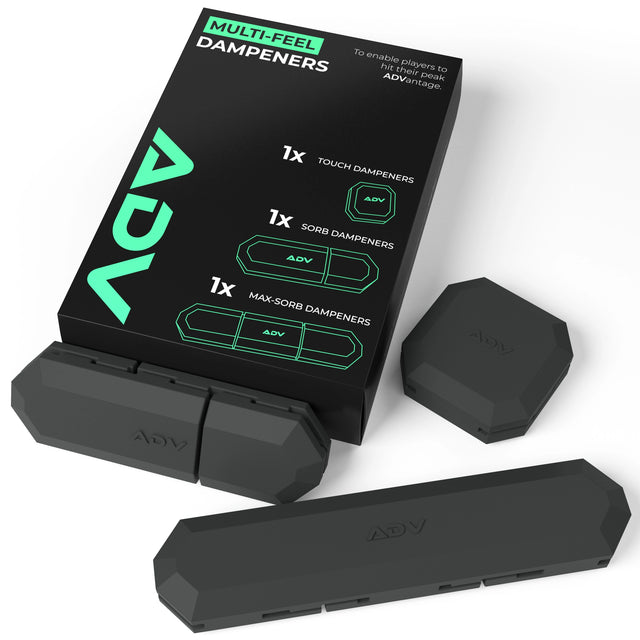
Dampeners come in various shapes, each offering a distinct feel and fit. The button-style is the most popular and simplest to install. It's just one small piece that nestles between two center main strings. Worm-style options, on the other hand, weave through several strings, offering wider shock absorption coverage. Some players prefer this for its slightly enhanced muting effect. Hybrid dampeners combine both concepts, giving you the extended reach of a worm with the compact feel of a button.
Material Choices
The material used in a dampener can greatly influence its durability. Common materials used include:
- Rubber: Known for its firmness and high elasticity, rubber offers a responsive feel that minimizes shock without completely dulling the connection between racquet and ball. This makes it particularly appealing to intermediate and advanced players who want to maintain the tactile feel of their strokes while reducing some of the strain on their arms. Rubber dampeners are generally durable, weather-resistant, and versatile enough for a wide range of playing conditions. In terms of feedback, rubber provides a slight bounce that reinforces rhythm. Some players describe it as “springy,” which can help with timing and tempo. However, because it doesn’t offer the softest cushioning, it may not be ideal for those recovering from injuries or seeking maximum shock absorption.
- Silicone: It excels at reducing harsh feedback on off-center hits, which can be especially beneficial for recreational players or those prone to arm discomfort. Its ability to conform slightly under pressure makes each hit feel smoother, absorbing vibration without feeling overly squishy. This forgiving nature helps minimize strain over prolonged play sessions, making silicone ones a top pick for extended rallies or practice sessions.
- Foam: These dampeners are often found in novelty shapes and oversized formats, making them a fun and functional choice for beginners and younger players. The primary strength of foam lies in its extreme shock absorption capabilities. It deadens string bed vibrations efficiently, creating a very subdued feel that virtually eliminates any residual sting from off-center contact. This makes it especially popular among players dealing with chronic joint issues or anyone looking to reduce the physical toll of long matches. However, foam lacks the durability of other materials; it can compress over time and is more vulnerable to environmental wear, such as moisture and temperature shifts. Its low density also means it may not stay as securely in place during aggressive play. Despite these trade-offs, foam dampeners offer unmatched comfort and a dramatically softer feel.
- Thermoplastic Elastomers (TPE): Advanced materials combine the elasticity of rubber with the moldability of plastic, offering a hybrid solution that performs consistently under various conditions. TPE dampeners typically provide moderate cushioning with just enough responsiveness to preserve a clear connection between player and racquet. This makes them well-suited for competitive players who want a refined hitting feel. Unlike foam or silicone, TPE products tend to be very stable under temperature changes and resist breakdown over time, contributing to a longer product lifespan. Their structural versatility allows for intricate designs and varied textures that enhance stringbed interaction.
Experimenting with a few can help you discover which sensation best supports your game. The right material can enhance your confidence on the court.
Specialized Options
Junior players often benefit from larger, softer dampeners that offer more forgiveness on mishits. The use of dampeners among professional players, their placement on the racket, and notable preferences among top athletes. Professionals may opt for minimalistic styles that preserve string feedback while still offering some comfort. Cold climates present a unique challenge: strings tend to stiffen, increasing vibration. In these cases, softer dampeners help reduce the sharpness of each hit. Some products are even labeled as “all-weather,” specifically designed to retain flexibility in lower temperatures. Brands now offer this in a wide range of colors, shapes, and themes. This makes it easy to personalize your racquet while still getting the performance you need. Some even glow in the dark or change color when exposed to sunlight. For players who enjoy expressing themselves through their gear, these customized tennis string dampeners offer flair and functionality.

Injury Prevention and Long-Term Comfort Strategy
How to Prevent Tennis Elbow
Many players experience discomfort not just in the elbow, but also in the wrist and shoulder over time. While stretching and proper technique play a role, using tennis shock absorbers is a proactive measure that helps reduce the constant micro-stress your arm endures. These small additions act as a buffer between the harshness of string impact and your body's delicate joints. By reducing harsh vibrations, they help minimize the strain that could otherwise lead to chronic pain.
Pairing Dampeners With Multifilament or Gut Strings
String choice significantly affects how much shock is transferred to your arm. When paired with soft strings, such as multifilament or natural gut, a dampener enhances the already forgiving nature of the string bed. The result is a plush feel that significantly reduces the likelihood of irritation or soreness after play. While polyester strings are popular for control and durability, they can feel stiffer and more jarring. A good combination of string and dampener provides an ideal balance of performance and safety. This pairing serves as a smart strategy for players looking to prioritize tennis injury prevention without sacrificing their competitive edge.
Daily Comfort Routines
Incorporating dynamic stretches before hitting the court prepares your muscles and joints for action. Drinking enough water keeps your tissues supple, reducing the risk of tightness or cramps during long sessions. Strengthening exercises focused on the forearm, shoulder, and core improve resilience and control. When combined with comfort tennis gear, these routines provide a powerful way to guard against wear and tear. Building these habits into your training can help you spend more time on the court.
Broader Injury Prevention Toolkit
Dampeners serve as just one part of a larger system designed to protect the body from unnecessary stress. Their contribution is subtle yet essential. They work in the background, absorbing energy and softening the feedback loop. Alongside techniques like proper warm-ups and using well-fitted shoes, dampeners become a seamless addition to a well-rounded plan.

How to Choose, Buy, and Install Tennis Dampeners
What to Look For
Shopping for tennis gear online can be overwhelming due to the wide range of choices, but knowing what to focus on can simplify the process. Start by identifying your primary goal. Consider product reviews and ratings to understand real user experiences. Quality and durability are important factors, as cheaper options may wear out quickly. It’s also helpful to check if the dampener is compatible with your specific string pattern. For convenience, many players prefer to buy tennis dampeners online, where they can compare options and easily access brand-specific details that brick-and-mortar stores might not carry.
How to Install Tennis Dampeners
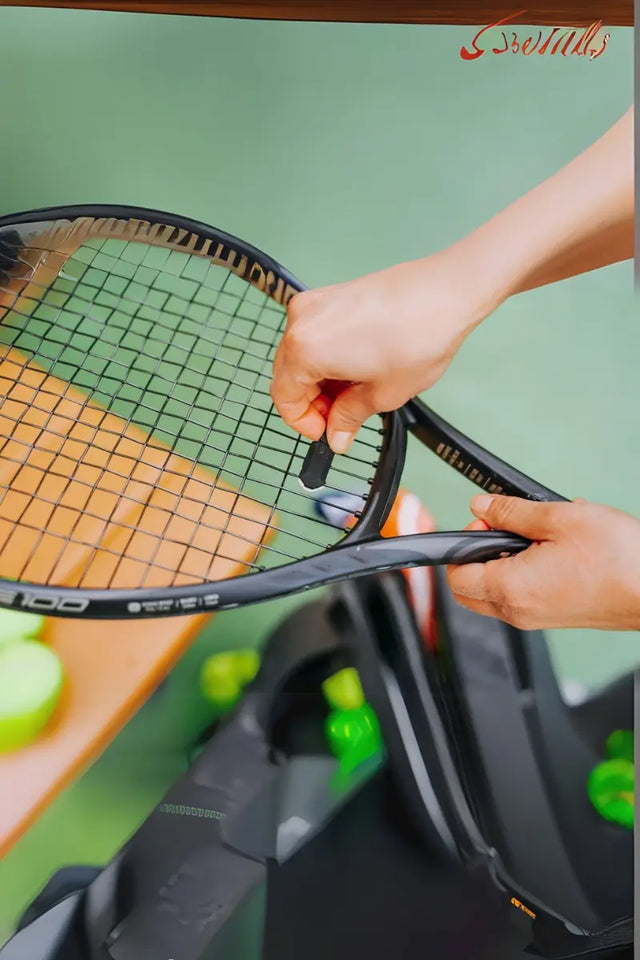
Listen to practical advice on choosing, buying, and installing tennis dampeners, including tips for first-time users and considerations for matching dampeners with racket strings. The correct installation routine is more important than many players realize. Here are installation tips to ensure proper setup:
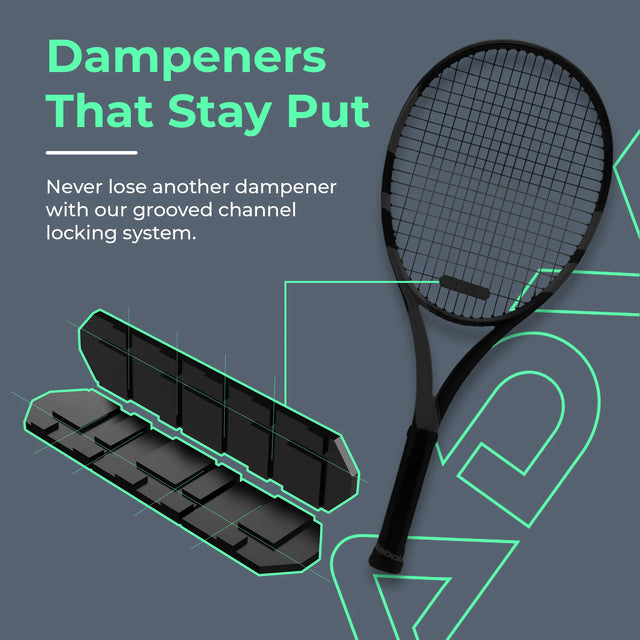
- Correct Placement: The ideal spot for these is between the two center main strings, positioned just below the final horizontal cross string. This placement ensures it contacts the strings that vibrate most after ball impact, maximizing its effectiveness. Placing it lower than this may still work, but going higher renders the dampener both ineffective and non-compliant with rules from major tennis organizations like the ITF and USTA. Improper placement may also cause it to shift during play or fail to reduce vibration adequately. A dampener too low might not interact with the strings enough to make a difference.
- Avoiding Illegal Installation: One of the most frequent errors, especially among new players, is placing a dampener above the last cross string. While this might seem like a convenient location, it violates the standard rules of tennis. Tournament regulations mandate that it must be located outside the pattern of cross strings. Placement above the last cross string brings the dampener into a potentially active hitting area, which can lead to disputes during official matches and might result in penalties.
- Proper Weaving: Worm-style ones are a bit more complex than button types but offer excellent string coverage when installed correctly. They are designed to be woven between the main strings, running parallel to the racquet’s handle, typically across four to six main strings. The key is to thread the dampener through the strings without overstretching it. Applying too much tension during installation can cause the material to deform or weaken over time, reducing its lifespan and effectiveness. Most worm-style dampeners come with manufacturer guidance or arrows indicating the direction of installation, which should be followed closely to maintain intended design functionality.
- Securing Dampeners: While it's important for a dampener to stay in place, applying too much pressure or installing it too aggressively can inadvertently affect string tension. Over-compression or harsh pressing can slightly shift the mains, altering the stringbed response and affecting feel. Instead, apply firm but measured pressure to seat the dampener. The goal is a secure fit that doesn’t compromise the integrity of your string setup. Make sure it lies flat and doesn’t twist or pull on the strings it crosses. Keeping your string tension intact while dampening vibrations ensures your shots retain their accuracy and your racquet maintains its expected performance characteristics.
- Final Check: Once the dampener is installed, it’s essential to do a quick bounce test before play. This simple yet effective technique involves gently bouncing a ball on the stringbed while observing and feeling the response. The dampener should remain firmly in place with no shifting, buzzing, or rattling. If you detect unusual noise or looseness, adjust or reinstall. A stable one will also subtly alter the sound of the strings, often producing a more muted or thudding tone, which indicates successful vibration reduction.
Installing a dampener might seem like a minor task, but doing it right makes a noticeable difference. Paying attention to details supports your playing experience without unintended consequences.
Tips for First-Time Users
Switching from a bare racquet to one with a dampener can feel strange at first. The sound and feel will change noticeably, especially during serve-and-volley play. New users should give themselves time to adjust to the difference in feedback. Initial hits may seem unfamiliar, but within a few sessions, most players grow to appreciate the softer sensation. During this phase, it’s essential not to make quick judgments about performance. The brain takes time to recalibrate sensory input. Gradually, your game will settle into a new rhythm, shaped by the added control and comfort from using the best string dampener for your preferences.
Historical Evolution and Future Trends
The journey of tennis dampeners reflects both the sport’s technological progress and players’ evolving needs. While the idea of mitigating racket vibrations dates back to the late 19th and early 20th centuries, early solutions were rudimentary. Players wrapped strips of leather or cloth around wooden racket handles to soften shock. The first true innovation emerged in the 1960s when tennis legend René Lacoste filed a patent for a flexible device designed to be inserted between racket strings, laying the foundation for modern dampeners. As rackets transitioned from wood to metal and carbon fiber, the need for more effective vibration control spurred manufacturers to experiment with new materials and designs. Rubber and silicone soon became the materials of choice, valued for their flexibility and vibration-absorbing properties. Over time, dampeners evolved from simple button shapes to elongated “worm” designs and even fan-shaped models, each offering unique vibration filtering characteristics. In recent years, the focus has shifted toward customization and advanced engineering. Some manufacturers now use 3D printing to create dampers with complex internal geometries, enabling selective filtering of specific vibration frequencies and tailored performance based on individual preferences. Looking ahead, the integration of smart technology is an emerging trend, though challenges related to miniaturization remain. Customizable and adjustable dampeners are also on the horizon, enabling players to fine-tune their gear for optimal comfort and feel.
Frequently Asked Questions
Tennis dampeners have evolved in both form and function, offering players a variety of options to suit their comfort and performance preferences. Below, we answer common questions about the different types, shapes, and materials of dampeners, and how these choices can influence your on-court experience.
What are the main types of tennis dampeners?
The two most common types are button dampeners, which sit between two main strings, and worm dampeners, which weave across several strings for broader vibration coverage.
How do button and worm dampeners differ in performance?
Button dampeners offer a subtle reduction in vibration and are easy to install, while worm dampeners provide wider shock absorption and a more muted feel across the string bed.
Are there hybrid or specialized dampener designs?
Yes, hybrid dampeners combine features of both button and worm styles, and some brands offer fan-shaped or novelty designs for enhanced vibration control or personal expression.
What materials are commonly used in tennis dampeners?
Dampeners are typically made from rubber, silicone, foam, or thermoplastic elastomers (TPE), each offering distinct levels of shock absorption, durability, and feel.
How do different materials affect play?
Rubber provides a springy, responsive feel; silicone offers smooth, forgiving shock absorption; foam maximizes comfort but is less durable; TPE blends resilience with a refined hitting sensation.
Have dampener materials and designs changed over time?
Yes, early dampeners were simple rubber bands or leather strips. Modern options use advanced materials and 3D-printed designs for tailored performance and greater customization.
Can the shape or material of a dampener influence player preference?
Absolutely. Some players prefer minimal designs that preserve string feedback, while others opt for softer, larger dampeners for maximum comfort, especially in colder climates or for junior players.
Selecting the right dampener comes down to understanding your body, your play style, and what feels best during long sessions on the court. While preferences vary from player to player, the ultimate goal is always the same: more control, less fatigue, and an improved sense of comfort. Testing a few options is part of the journey toward finding the best tennis dampeners for your unique needs. This small piece of gear has the potential to transform how you interact with your racquet. Shop a wide selection of tennis dampeners and racket accessories to elevate your game at ADV Tennis. The right choice in tennis vibration control is about maximizing joy in the game.