Tennis vs. Pickleball: Exploring Key Gear Differences
Tennis and pickleball are two popular racquet sports enjoyed worldwide, each with its unique equipment requirements that influence gameplay significantly. While tennis has been a beloved sport for centuries, pickleball is a newer game that combines elements of tennis, badminton, and ping-pong, making it accessible to a wide range of players. Both sports require specific gear tailored to their distinct rules and playing environments. There are various materials used in manufacturing rackets, paddles, and balls for both sports, such as composite, graphite, and wood, and their effects on performance. Understanding the nuances of tennis equipment and pickleball gear can greatly enhance a player's performance and enjoyment of the game.
Tennis Rackets vs. Pickleball Paddles
Size and Shape
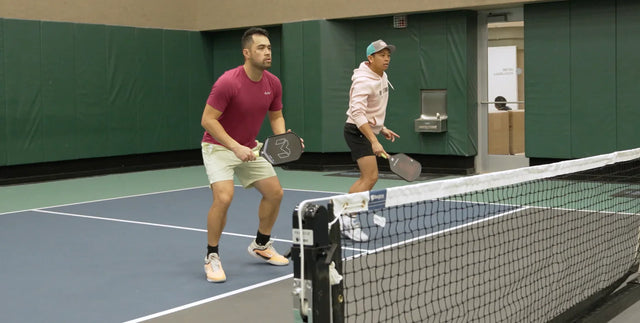
When comparing tennis rackets to pickleball paddles, the most noticeable difference lies in their size and shape. Tennis rackets feature a long handle and a large, oval head that allows for a wide range of shots, suitable for a variety of playing styles and techniques. On the other hand, pickleball paddles are significantly smaller and almost rectangular, which contributes to their lightweight and enhances their suitability for quick, reflexive movements at the net. This structural difference fundamentally influences how players engage with the ball in each sport.
Strings vs. Solid Surfaces
Another distinct difference is the materials used in making these sports tools. Tennis rackets are typically made with a woven network of strings that can vary in tension and material, offering players a blend of power and control. Contrastingly, pickleball rackets are constructed from solid, rigid materials, such as composite or graphite, which provide a durable yet lightweight paddle surface. The lack of strings and the solidity of the paddle surface affect how the ball rebounds, thus impacting the game's speed and the player's response time.

Power and Control Differences
The design and construction of tennis rackets allow for greater power behind shots, which is beneficial for driving the ball over longer distances seen on tennis courts. Pickleball paddles, although not as conducive to generating the same level of force due to their smaller size and lighter weight, offer players enhanced control and precision, which is ideal for the quick, strategic placements required in pickleball. These characteristics ensure that each piece of equipment is optimally suited to the specific demands and style of its respective sport.
How Each Affects Playing Style and Mechanics
The equipment differences significantly dictate the playing style and mechanics in tennis and pickleball. With a tennis racket, players often adopt a full-body swing to leverage power, involving a range of motion that utilizes the larger court space. In contrast, pickleball involves more wrist action and less body movement, with players focusing on positioning and angle to outmaneuver their opponents in a smaller court area. Understanding these differences is crucial for players who may switch between sports or are deciding which sport best suits their physical capabilities and strategic preferences.
Court and Net Equipment Differences
When comparing tennis and pickleball, the differences in court size, layout, and net specifications are fundamental and have a direct impact on the gear players select and how they use it. A regulation tennis court is significantly larger, measuring 78 feet in length and 27 feet wide for singles matches (expanding to 36 feet for doubles). This expansive playing area demands greater levels of mobility, endurance, and power from players, which in turn influences the design and selection of tennis gear. For example, tennis rackets are engineered to provide both reach and control, with longer handles and larger heads that help players generate forceful shots across the wide court. Similarly, tennis shoes are designed for stability, lateral support, and shock absorption, allowing athletes to sprint, pivot, and slide over a larger surface.
In contrast, a standard pickleball court is significantly more compact, measuring just 44 feet long and 20 feet wide, suitable for both singles and doubles play. This smaller court size shifts the emphasis from power and court coverage to quick reflexes, agility, and precision. The reduced dimensions mean that players are never far from the net or their opponents, leading to faster exchanges and a focus on shot placement rather than sheer strength. As a result, pickleball paddles are lighter and more maneuverable than tennis rackets, with shorter handles and solid surfaces that facilitate rapid wrist movements and controlled dinks near the net. Footwear for pickleball also prioritizes agility and grip, with less need for the heavy-duty support required in tennis.
Net specifications further distinguish the two sports. The tennis net stands 36 inches high at the center and remains taut across the width of the court, reflecting the need to accommodate high-velocity serves and groundstrokes. Pickleball nets, on the other hand, are slightly lower, 34 inches at the center and 36 inches at the posts, which makes it easier to keep the ball in play during fast-paced rallies. This lower net height, combined with the court’s smaller size, encourages a different style of play, where finesse and quick hands often outweigh brute force. Additionally, pickleball courts feature a unique non-volley zone, commonly known as the “kitchen,” which extends seven feet from the net on both sides. This area prohibits players from volleying the ball while standing within it, adding a strategic layer that influences both movement and shot selection. The kitchen’s presence means that gear—especially paddles—must be suited to soft touch and precise control, as players often engage in dinking battles just outside this zone.
These structural differences in court and net design not only shape the physical demands and strategies of each sport but also guide players in choosing the most suitable gear. Tennis players require equipment that maximizes reach, power, and durability to handle the larger, faster-paced environment. Pickleball players, in contrast, benefit from lighter, more responsive paddles and shoes that support quick lateral movements and stability on a smaller, more interactive court. Knowing these distinctions is crucial for anyone looking to optimize their performance and enjoyment in either sport.
Grips, Overgrips, and Dampeners in Tennis and Pickleball
Tennis Grips and Overgrips
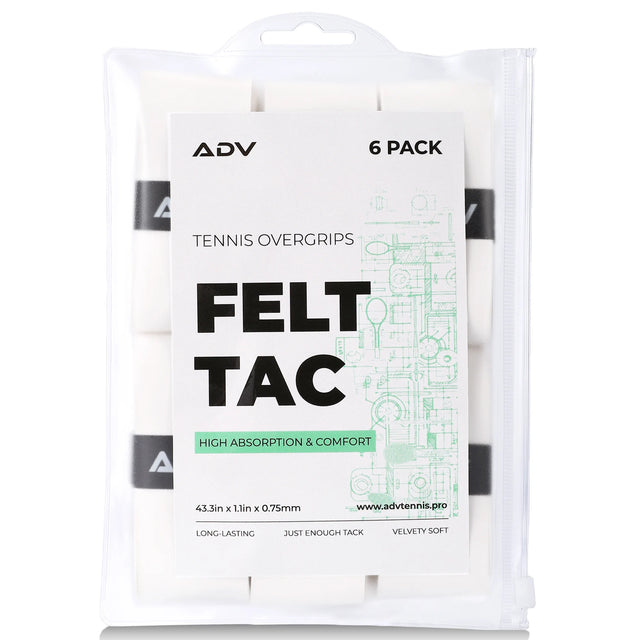
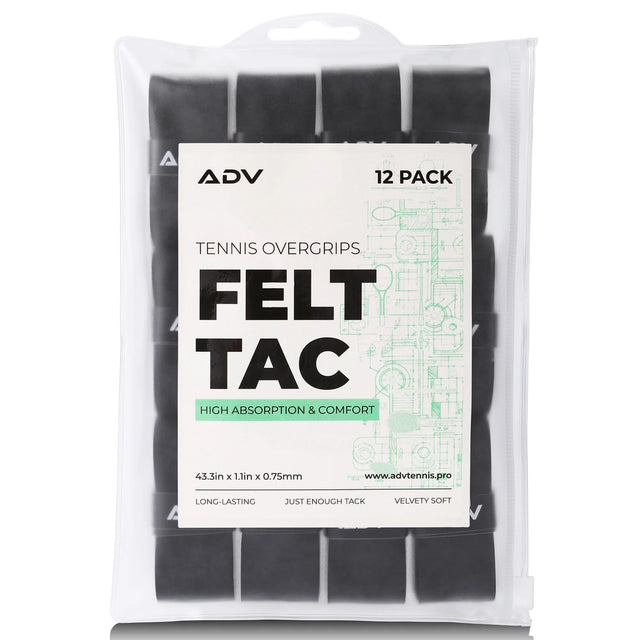
The grip of a tennis racket plays a pivotal role in how players handle the equipment and directly influences their comfort and performance. A good grip absorbs moisture from the hands, ensuring that the racket remains stable during intense volleys. Tennis overgrips are additionally used to enhance this effect, providing extra cushioning and improved tactile feedback, which helps in making precise shots under various playing conditions. These modifications are vital for maintaining control over longer matches, where grip effectiveness can significantly impact player endurance and racket handling.
Vibration Dampeners in Tennis
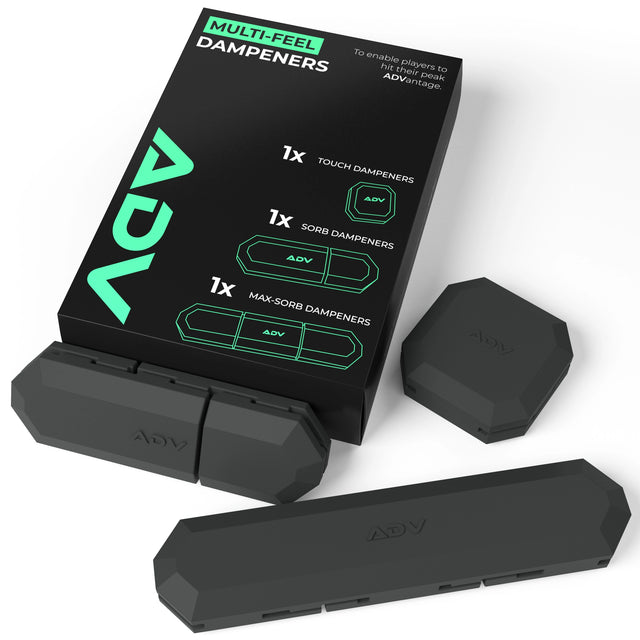
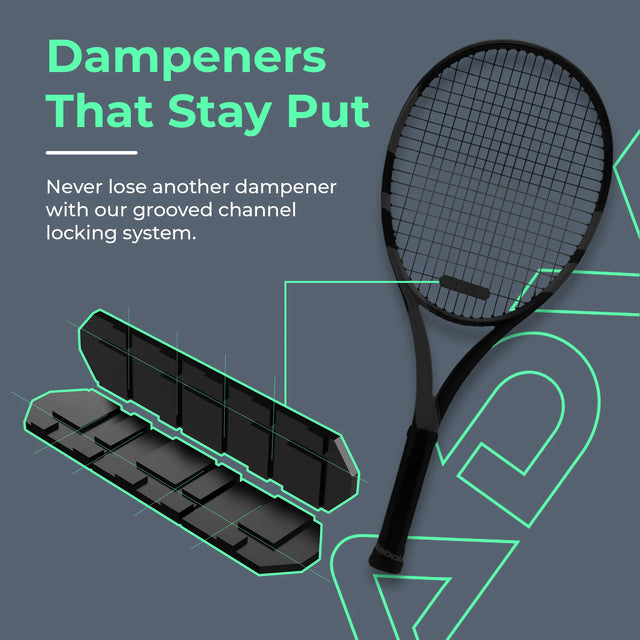
Tennis dampeners in tennis play a significant role in managing the physical impact that reverberates through the racket upon ball contact. These small, often overlooked accessories are strategically placed between the strings, usually close to the bottom, where they absorb and dissipate vibrations generated at the point of impact. By reducing the magnitude of these vibrations, dampeners help to decrease the shock that would otherwise be transferred directly to the player's hand, wrist, and arm. This is particularly beneficial for players who experience discomfort or injuries, such as tennis elbow, a repetitive strain injury caused by continuous exposure to shock. The dampener essentially acts as a buffer, absorbing some of the high-frequency vibrations that can lead to muscle fatigue or joint strain over extended play sessions. As a result, players can maintain their performance for longer periods without succumbing to the wear and tear that frequent play can impose.

Tennis Backpacks vs. Pickleball Backpacks
Tennis Backpacks
These backpacks are designed with the specific needs of tennis players in mind, featuring compartments that allow players to keep their equipment organized and protected. With these thoughtful features, a good tennis backpack becomes an invaluable tool, streamlining a player’s routine by offering easy access to all essentials. Let’s delve deeper into each feature:
- Padded Racket Compartment: Tennis rackets are often subject to wear from constant handling and travel. A padded compartment in a tennis backpack offers essential protection against bumps and scratches, extending the life of the rackets and ensuring they remain in optimal condition. This compartment is generally located at the back of the backpack, where padding is most effective and prevents damage from other items in the bag. Such protection is especially valuable when traveling or commuting to matches, as rackets are less likely to be exposed to accidental drops or other impacts. By safeguarding the racket, players can focus on the game rather than worrying about equipment durability.
- Multiple Storage Sections: The backpack features multiple storage sections, allowing for better organization and ensuring that everything has its designated place, making it easy to locate when needed. These sections typically vary in size, with some pockets tailored for smaller items, while larger sections are suitable for clothing or even a tablet. By having everything neatly arranged, players can quickly retrieve items without rummaging, saving time and reducing pre-game stress. Organizational structure also helps in managing personal belongings, making the backpack versatile for use beyond tennis.
- Insulated Cooler Pockets: Staying hydrated and refreshed is critical during a match, especially in warmer climates. Many tennis backpacks come with insulated cooler pockets that maintain the temperature of beverages and snacks. This feature is ideal for players who want to keep drinks cold or food warm, providing a quick energy boost or hydration during breaks. Insulated pockets are crafted with thermal lining that helps maintain a stable temperature for several hours. Players having access to fresh drinks and snacks can maintain their energy and focus, allowing them to perform at their best without the distraction of needing to find refreshments elsewhere.
- Ventilated Compartments: After a game, sweaty clothes and shoes need a separate space to prevent odor from spreading to other items. Ventilated compartments are designed with breathable materials that allow air circulation, reducing the buildup of moisture and odor. This is especially helpful for tennis players who travel directly from the court to other engagements. Ventilation helps items dry more quickly, keeping the rest of the bag’s contents fresh and ensuring the backpack is ready for use again. By segregating these items, players maintain a cleaner, more hygienic storage solution for their gear and reduce the risk of bacteria buildup.
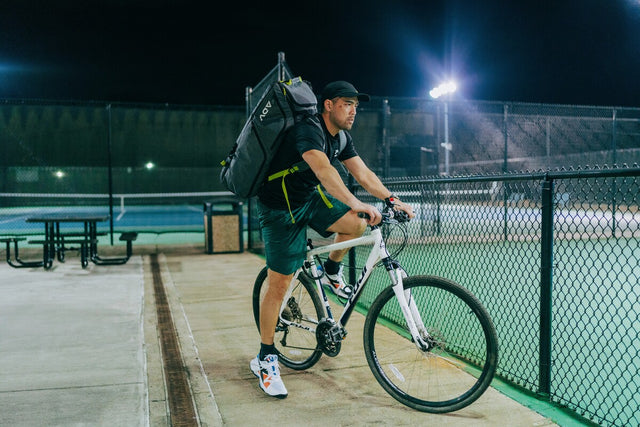
- Adjustable Straps: Carrying a tennis backpack comfortably is essential, especially for players moving from one location to another. Adjustable straps enable users to customize the fit, distributing weight evenly across the shoulders and back. This design prevents strain, allowing players to carry their gear for extended periods without discomfort. High-quality backpacks often feature padded straps for additional comfort, making them suitable for long walks or even bike commutes to and from the court. With well-designed, adjustable straps, players can avoid potential injuries and fatigue, focusing instead on their performance on the court.
Each of these features contributes to making tennis backpacks a practical and convenient solution for players. By understanding the unique functions of each section, players can select a backpack that best fits their needs, enhancing their experience on and off the court.
Pickleball Backpacks
It differs significantly in design due to the sport's equipment size and player needs. These backpacks are more compact, reflecting the smaller size of pickleball paddles and the fewer items typically carried by pickleball players. The main compartment is usually designed to hold a couple of paddles and several balls, with additional pockets for personal items and smaller pickleball accessories. Despite their smaller size, these backpacks are designed with efficiency in mind, offering easy access and sufficient storage for casual play and competitive matches alike.
Balls Used in Each Sport
The characteristics of tennis balls versus pickleballs include differences in material, weight, bounce, and how these influence gameplay. Tennis balls are made of pressurized rubber covered in felt, weighing between 1.975 and 2.095 ounces, and are designed to bounce 53–60 inches when dropped from 100 inches. In contrast, pickleballs are lightweight plastic balls with perforations, weighing 0.78–0.935 ounces, and jump much lower, 0 to 34 inches, when dropped from 78 inches. These differences result in tennis being faster-paced with higher, more powerful shots, while pickleball emphasizes control, placement, and quick reflexes due to the slower, lower-bouncing ball.
Sweat Management: Wristbands and Accessories
Tennis Wristbands
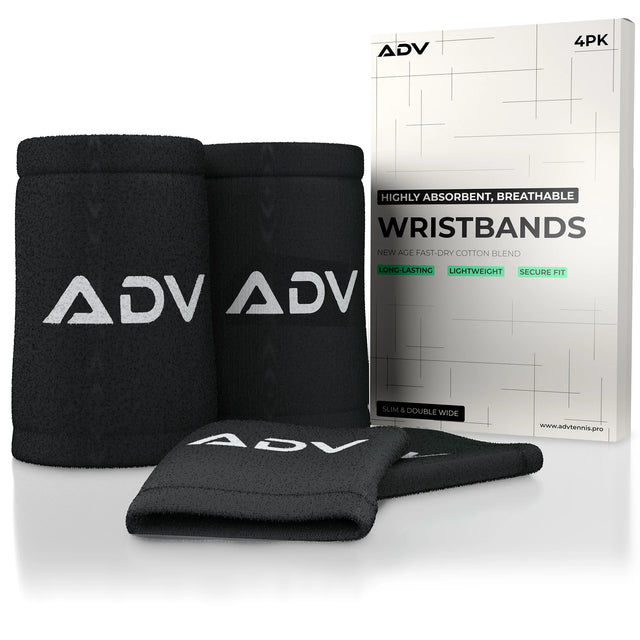
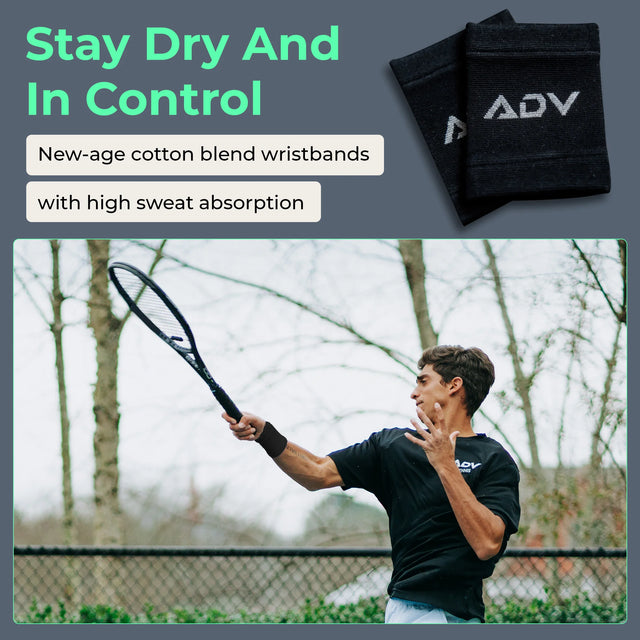
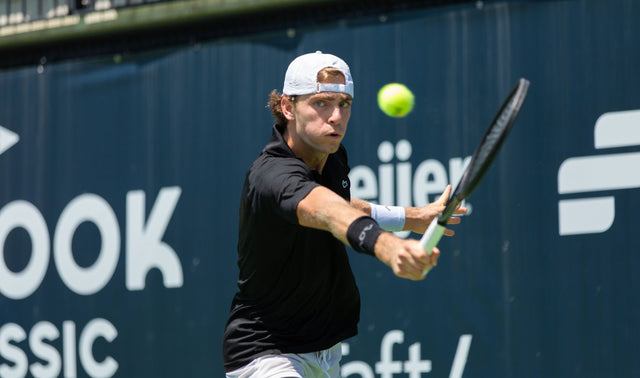
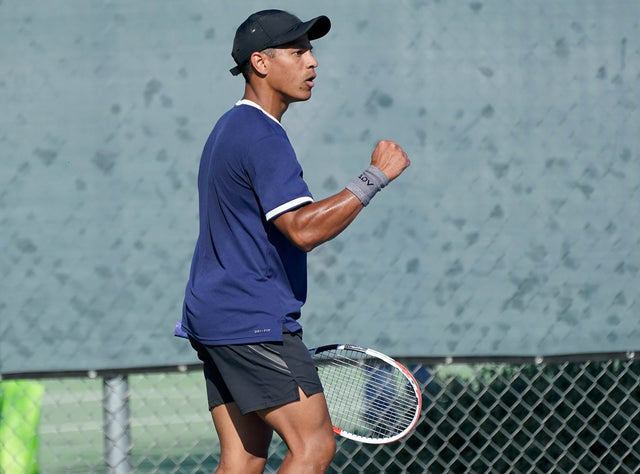
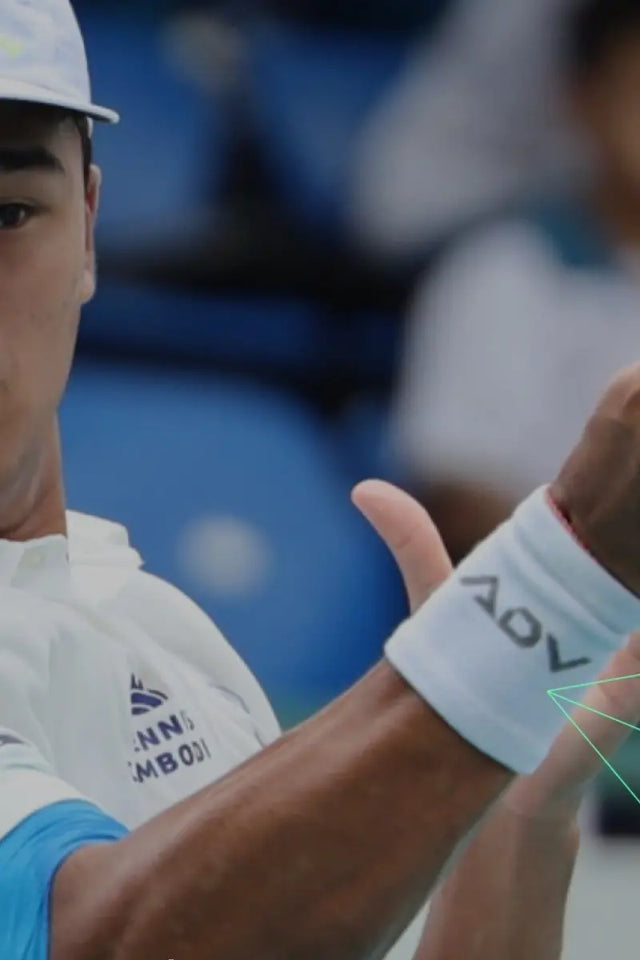
In tennis, tennis wristbands are not just a fashion statement; they serve a crucial functional purpose. These accessories are designed to absorb sweat, which can interfere with grip stability and racket handling during intense matches. Made from high-absorbent materials, tennis wristbands help players maintain a dry grip on their tennis rackets, ensuring better control and precision with each shot. By wicking away moisture, these wristbands keep players comfortable and focused, making them an essential part of a tennis player's gear.
Pickleball Wristbands
Although the gaming mechanics are different, pickleball players utilize wristbands for their moisture-absorbing properties, just like in tennis. Pickleball involves quick, sharp movements and a lot of net play, which can lead to rapid perspiration. Wristbands in pickleball help manage this by keeping players' hands and paddle handles dry, reducing the chance of slippage and the potential for mishaps. This similarity in usage highlights the importance of such accessories across various racquet sports in maintaining peak performance.

Other Accessories for Both Sports
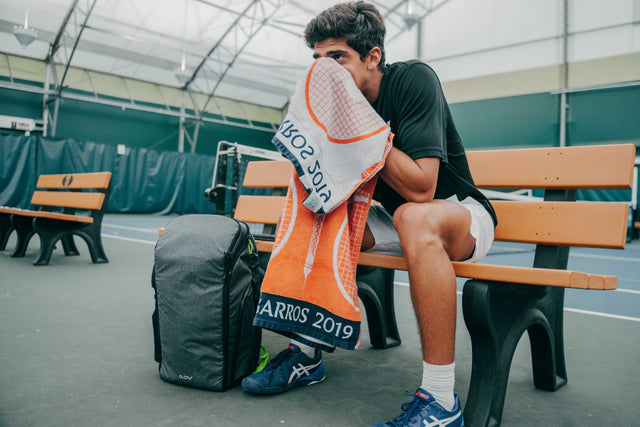
Both tennis and pickleball players utilize a variety of accessories to enhance their game and manage physical exertion. Among these, towels and headbands are particularly noteworthy. Towels are indispensable for drying off during breaks in play, helping players stay dry and comfortable. Headbands serve a similar purpose to wristbands but are designed to keep sweat from dripping into the eyes, which is crucial during competitive play. Beyond these, players might use additional items such as:
- Sun Visors or Caps: For outdoor play, sun visors or caps are essential accessories that shield players’ eyes from the sun, enhancing visibility and focus. These head coverings are lightweight, breathable, and often made with moisture-wicking materials to prevent heat buildup. Visors, which leave the top of the head open, are especially popular in hot weather, offering shade without trapping warmth. Caps, on the other hand, provide full coverage, which can be ideal in sunnier or windier conditions. By reducing glare, these accessories enable players to keep a better eye on the ball, thereby reducing the risk of missed shots due to visual discomfort.
- Protective Eyewear: Protective eyewear is an important accessory, especially during outdoor games. Not only does it shield the eyes from intense sunlight, but it also offers protection against wind, dust, and any unexpected debris on the court. High-quality sports eyewear often features UV protection to prevent eye strain and potential damage from prolonged sun exposure. For players in windy climates or on more exposed courts, these glasses provide a shield that helps keep eyes clear and focused.
- Compression Clothing: Compression clothing, such as sleeves or leggings, has gained popularity for its ability to improve circulation and muscle support. Designed with stretchable, skin-hugging fabric, compression apparel helps stabilize muscles, which can be particularly beneficial during extended matches. By providing gentle compression, these items help reduce muscle vibration, minimize fatigue, and improve endurance. Some players also report faster recovery and less post-game soreness with regular use of compression gear.
- Sports Socks: Quality sports socks are essential for players who want extra comfort, cushioning, and moisture control during play. Designed with specialized fabrics that wick away sweat, these socks help keep feet dry, reducing the risk of blisters and discomfort during long matches. Many sports socks include added padding in high-impact areas, such as the heels and balls of the feet, which absorb shock and help prevent soreness. The snug fit of these socks also helps reduce friction, enhancing overall foot support and stability within the shoe.
- Sunscreen: Formulated for sports, many sunscreens are sweat-resistant and provide lasting coverage, safeguarding exposed areas like the face, arms, and legs from harmful UV rays. High SPF and broad-spectrum protection ensure that players don’t have to worry about frequent reapplications. Some sunscreens even come in lightweight, non-greasy formulas, which feel comfortable under sweatbands or visors. By preventing sunburn and reducing the risk of skin damage, sunscreen enables players to enjoy extended games with peace of mind.
Tennis and pickleball players can enhance their comfort, safety, and concentration by including these devices in their training regimen. From the basics like sunscreen and visors to performance enhancers like compression clothing, these items support players in achieving their best on the court while minimizing potential distractions and discomfort.
Choosing the right gear is a crucial step in maximizing your potential in tennis or pickleball. It requires consideration of both the physical and strategic demands of the sport, as well as personal comfort and preferences. Whether you are just starting or looking to elevate your game, take the time to explore different options and consult with professionals or experienced players to make the best choice for your needs. Upgrade your game with ADV Tennis' pro-level gear built for precision and performance. By aligning your equipment with your goals and skills, you can enjoy these engaging sports to their fullest, achieving both personal improvement and competitive success.