Tennis Gear: The Ultimate Guide to High-Performance Equipment
Selecting the right tennis equipment is crucial for any player aiming to improve their game. Whether you're a beginner or a seasoned professional, the tools you use can significantly influence your performance and enjoyment of the sport. The best tennis gear ensures that every component, from rackets to shoes, is optimized for the best possible outcome on the court. It's not just about enhancing play; it's also about preventing injuries by using equipment that's suited to your playing style and body requirements.
Essential Tennis Bags for Every Player
Tennis Backpacks
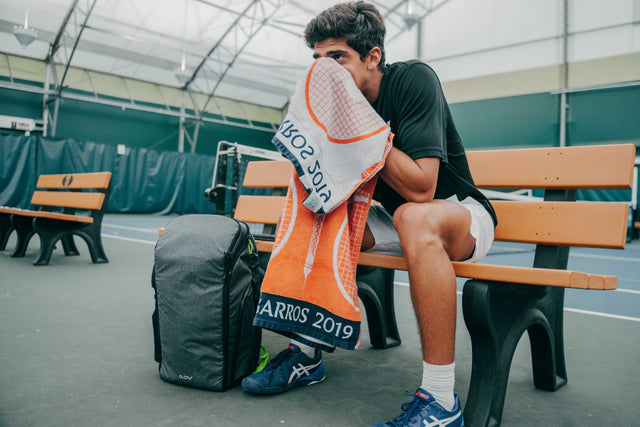
These are the go-to for players seeking convenience without compromising on storage. It offers room for a couple of rackets, plus compartments for accessories like balls, drinks, and personal items. Tennis bags for men are handy for casual sessions or daily practice, providing easy transport and efficient organization. When choosing one, look for ergonomic designs that distribute weight evenly to prevent strain on your back and shoulders. Many of the best tennis brands design backpacks that combine functionality with modern aesthetics, making them a practical choice for every tennis enthusiast.
Tennis Tote Bags
For those who value style as much as functionality, the stylish tennis bags emerge as a superior choice. These blend elegance with ample storage, allowing you to carry your tennis gear alongside your personal belongings. They often feature a main compartment large enough to hold rackets and a separate space for clothing and shoes. Their versatility sets them apart, easily transitioning from the court to casual outings. The variety of designs and materials, from sleek leather to durable synthetics, ensures a stylish option for everyone.
6-Racket Tennis Bags
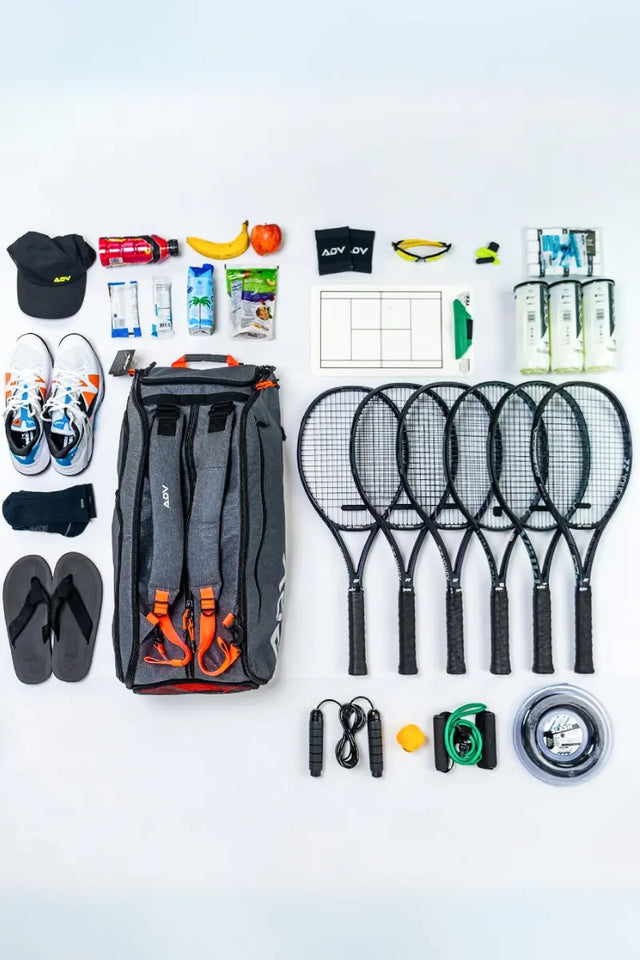
Competitive players who need more gear will find the 6-racket tennis bags incredibly beneficial. These bags are designed to accommodate multiple rackets, which is essential for tournaments where gear options must be readily available. Besides rackets, they have specialized compartments for different types of tennis accessories, such as shoes, clothes, and water bottles. The tennis ball bag's robust construction and protective padding are key, safeguarding your equipment from bumps and scrapes during travel.

Tennis Racket Bags
Tailored to shield rackets from adverse weather and physical damage, with options ranging from single-sleeve covers to larger multi-racket carriers, they serve both recreational and professional players. Many come with additional features like climate control pockets that maintain string tension and protect the racket frame from extreme temperatures.
Professional Tennis Rackets: Choosing the Best for Your Game
The different types of tennis racquets available, key factors to consider when choosing one for various skill levels, and aspects such as weight, balance, and string types.
Key Factors to Consider
A well-suited racket enhances every aspect of play, from groundstrokes to volleys, serving, and even defensive shots. Players must assess various factors before purchasing a racket, as different specifications cater to different playing styles:
- Weight: Heavier rackets, generally weighing between 11 and 12.5 ounces, provide more stability and power behind each shot. They also offer better shock absorption, reducing the strain on the arm. However, the increased mass can lead to fatigue, particularly for players who lack the necessary strength or endurance. On the other hand, lighter rackets, often between 9 and 10.5 ounces, allow for quicker swings, enabling better maneuverability at the net. These are particularly beneficial for beginners and players who rely on speed and spin rather than sheer power. Finding a balance between weight and comfort is crucial, ensuring that you can maintain consistent performance throughout a match.
- Balance: This determines how weight is distributed across the tennis racket, influencing power, control, and maneuverability. Head-heavy rackets concentrate more weight in the head, generating additional power and momentum, making them ideal for baseline players who rely on deep, forceful shots. Conversely, head-light rackets shift weight toward the handle, improving control and making it easier to execute fast reflex shots, particularly useful for net play. Even-balanced rackets offer a mix of both, suitable for all-around players who incorporate both power and finesse in their game. Testing different balance levels allows players to choose one that aligns with their strategy and comfort level.
- Grip Size: Grips for tennis typically range from 4 inches to 4 ¾ inches in circumference, with smaller grips allowing more wrist action for spin and larger grips providing stability to reduce strain. A grip that is too small forces the player to overgrip, leading to excess tension in the wrist and forearm, increasing the risk of conditions like tennis elbow. An overly large grip restricts movement, making it difficult to generate spin and quick adjustments. To determine the right fit, a player should be able to place a finger between their palm and fingertips when holding the racket. If unsure, opting for a slightly smaller grip is advisable, as overgrips can be added for customization.
- Head Size: The head size of a racket significantly influences power and precision. Larger heads, generally between 100 and 115 square inches, provide a bigger sweet spot, making it easier to generate power and maintain accuracy even on off-center shots. This is particularly beneficial for beginners who need extra forgiveness. Smaller head sizes, ranging from 85 to 98 square inches, offer more precision and responsiveness, making them ideal for advanced players who rely on control and technique. Mid-plus rackets, with head sizes between 95 and 105 square inches, provide a balance of power and control, suitable for intermediate players looking to refine their skills.
- String Pattern: Open string patterns, such as 16x19, allow for greater ball bite, enhancing topspin and slice shots, making them favorable for players who rely on spin-heavy techniques. These rackets provide additional power but can also lead to quicker string wear. Closed string patterns, like 18x20, offer more durability and control, catering to players who prioritize precision over spin. The denser string bed enables better placement and shot accuracy while reducing unpredictable bounces. Experimenting with string patterns helps players find the right balance between control, spin, and durability, improving their overall efficiency in matches.
- Frame Stiffness: A stiffer frame transfers more energy to the ball, producing greater shot speed with minimal effort. However, this can lead to increased shock upon impact, potentially causing discomfort or injury over time. Flexible frames absorb more of the ball’s energy, reducing power but increasing control and comfort, which is beneficial for players who prioritize precision over brute force. Stiffness ratings typically range between 55 and 75, with lower numbers indicating greater flexibility. Players prone to arm discomfort should opt for flexible frames to reduce strain.
- Materials: Graphite remains the most common choice due to its lightweight strength, offering a blend of power and control. Some rackets incorporate composite materials such as Kevlar, titanium, or carbon fiber, which enhance durability and vibration dampening. Aluminum rackets are available at entry-level price points but tend to lack the responsiveness of high-end materials. Selecting the right material contributes to how the racket feels on impact, affecting maneuverability and stroke efficiency. For players seeking long-term use and consistent performance, investing in high-quality materials is essential.
- Player’s Style: Power players who rely on aggressive baseline shots often prefer rackets with larger head sizes, stiffer frames, and open string patterns to generate explosive shots. Control-oriented players who emphasize precision and finesse benefit from smaller head sizes, flexible frames, and closed string patterns, ensuring maximum shot placement accuracy. Players who favor net play require a lightweight racket with a head-light balance for quick maneuverability, while baseline grinders might prefer a slightly heavier, head-heavy racket for deeper shots. Identifying one’s playing style is essential to selecting a racket that complements natural strengths and enhances overall game performance.
Each aspect influences how a player performs on the court, affecting everything from power and control to maneuverability and comfort. The right racket can elevate a player’s experience, improving consistency and confidence during every match.
The Role of Tennis Racket Strings in Performance
The type of string and its tension can alter the ball's speed and spin. Players looking for speed and power should opt for thinner strings, which allow more elasticity and energy return. Conversely, thicker strings provide greater durability and control, which is ideal for players who value precision over power. The material of the string, natural gut, synthetic, or hybrid, also plays a role in performance dynamics. Tennis racket string technology has evolved to produce variations that can enhance durability, catering to different playing styles and preferences.
Vibration Dampeners
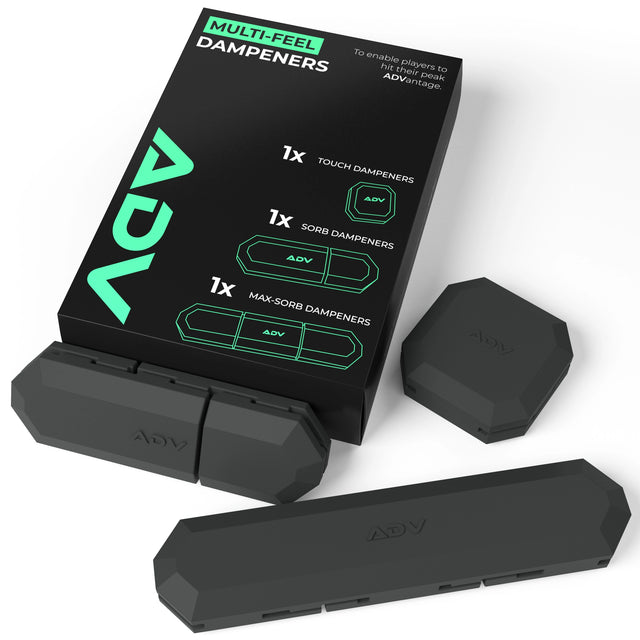
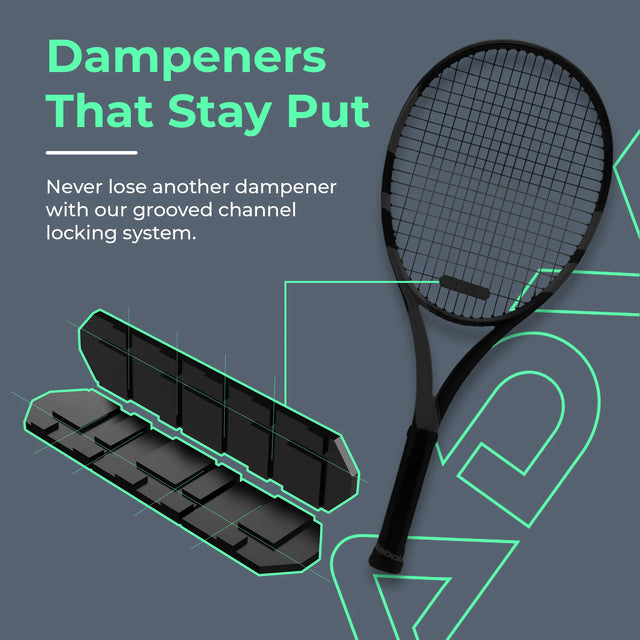
Vibration dampeners are small accessories attached to the strings of a tennis racquet, typically positioned near the throat. Their main purpose is to absorb some of the vibrations generated when the ball strikes the racquet, which can help reduce the sharp “ping” sound and provide a slightly more muted feel upon impact. While dampeners do not significantly alter the racquet’s performance or power, many players find that they enhance comfort, particularly for those sensitive to vibration or prone to arm discomfort. The psychological benefit of a quieter, softer-feeling hit can also boost confidence during play. As for replacement, vibration dampeners do not have a fixed lifespan and typically only need to be replaced if they become damaged, cracked, or lose their effectiveness at reducing vibrations. Regular inspection is recommended, and replacement should be considered whenever visible wear or diminished performance is noticed.
Tennis Balls: Types, Uses, and Choosing the Right Option
Tennis balls come in several varieties to suit different needs and playing conditions. Practice balls are built for durability and frequent use, making them ideal for training sessions. Match balls meet strict standards for bounce and speed, ensuring consistent performance during competitions. Pressureless balls maintain their bounce longer, making them perfect for extended practice or recreational play. When choosing tennis balls, consider your skill level and court surface. Opt for match balls for tournaments and pressureless or practice balls for regular training.
Tennis Grips and Overgrips
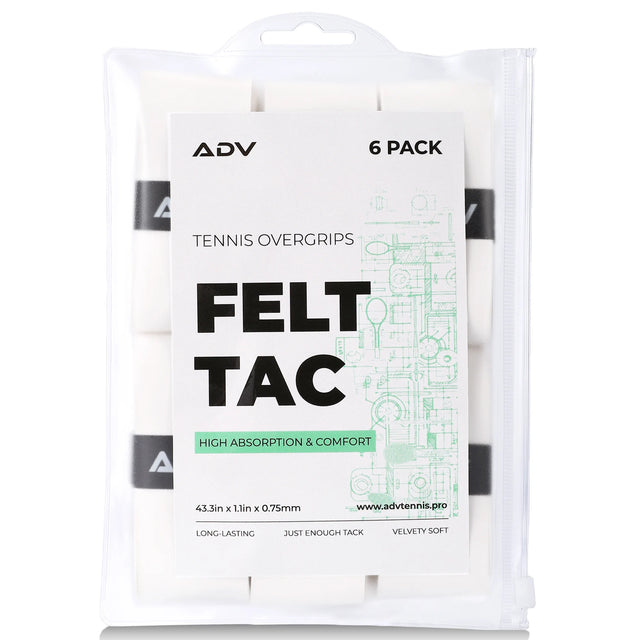
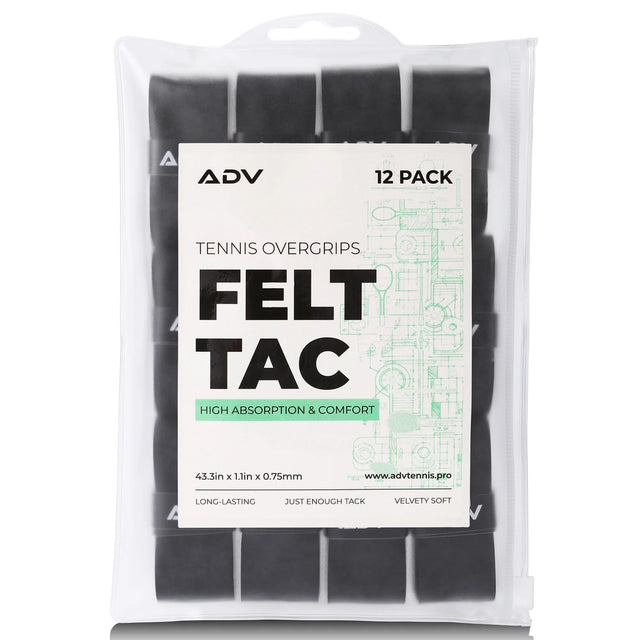
Tennis grips and overgrips play a crucial role in ensuring both comfort and control during play. The primary grip, also known as the replacement grip, is the base layer wrapped directly onto the racquet handle. It provides cushioning, absorbs sweat, and helps prevent the racquet from slipping. Overgrips are thinner, disposable layers wrapped over the replacement grip, offering additional tackiness, moisture absorption, and the ability to fine-tune handle thickness to personal preference. Both grips and overgrips are essential for maintaining a secure, comfortable hold, which reduces the risk of blisters and enhances shot precision. Overgrips should typically be replaced every 6–8 hours of play or sooner if they become dirty or lose their tackiness, while replacement grips can last longer but should be changed whenever they show signs of wear or discomfort.

High-Performance Tennis Shoes for Comfort and Stability
Features to Look For
Tennis is a physically demanding sport that requires swift movements, sudden stops, and explosive sprints. Because of this, having durable tennis shoes is crucial for maintaining both comfort and performance. There are several key features to consider:
- Outsole Design: The outsole is one of the most critical components of a tennis shoe, as it directly affects durability and traction. Different court surfaces require specific outsoles—herringbone patterns are ideal for clay courts as they prevent excessive sliding, while hard court outsoles feature durable, non-marking rubber to resist wear and tear. Players who frequently play on hard courts should look for extra-durable outsoles that minimize the risk of premature degradation.
- Midsole Technology: Since tennis involves constant impact from jumping and sprinting, having a well-cushioned midsole reduces stress on the feet, knees, and lower back. Many modern tennis shoes integrate advanced foam technologies, such as EVA (ethylene vinyl acetate) or PU (polyurethane) midsoles, which enhance both comfort and responsiveness. Some brands offer gel-based or air-cushioned midsoles to provide additional impact protection, particularly useful for players prone to foot fatigue.
- Upper Construction: Unlike running shoes, which focus on forward motion, tennis shoes must accommodate multi-directional movements, requiring reinforced support in critical areas. Mesh materials provide excellent breathability, preventing heat buildup and excessive sweating, while synthetic leather or TPU (thermoplastic polyurethane) overlays enhance durability and structure. Some tennis shoes incorporate knit uppers for a more flexible, sock-like fit, which enhances comfort without compromising stability.
- Toe Reinforcement: The toe area experiences high friction, particularly on hard courts, leading to premature wear and tear if not adequately protected. Many modern tennis shoes incorporate rubber or thermoplastic reinforcements in the toe box to prevent early deterioration. Brands often label this feature as "drag guard" or "toe protector" technology, specifically designed for toe draggers. Without proper toe reinforcement, players may find themselves replacing shoes frequently due to excessive wear in the front section.
- Insole Support: A suitable insole should provide adequate arch support to prevent overpronation (excessive inward foot rolling) or supination (excessive outward rolling), both of which can lead to injuries. Many tennis shoes include removable insoles, allowing players to customize their fit by replacing them with orthopedic or high-performance inserts. Memory foam or gel-based insoles can enhance cushioning, while high-density foam insoles offer extra support for players with high arches. Choosing a shoe with a well-designed insole ensures that weight is evenly distributed across the foot, reducing pressure points and improving overall balance.
- Lacing System: If the shoe is too loose, the foot may slide inside, reducing stability and increasing the risk of blisters. On the other hand, overly tight laces can cause discomfort and restrict blood circulation. Some tennis shoes feature integrated eyelet systems or lockdown lacing mechanisms, which ensure a snug fit without excessive pressure. Dynamic lacing designs allow for even tension distribution, adapting to the foot's shape for personalized comfort. For players with specific fit preferences, shoes with adjustable heel-lock eyelets provide additional security, preventing unwanted movement.
- Weight: Lighter shoes, often weighing under 13 ounces, are ideal for players who prioritize speed and quick footwork, allowing for rapid movements and better reaction times. However, ultra-lightweight designs may compromise durability and support, making them less suitable for aggressive movers. Heavier shoes, weighing over 15 ounces, provide extra stability and durability but can slow down foot speed over prolonged matches. Players must strike a balance between lightweight comfort and structural support, ensuring they do not sacrifice performance for durability.
- Ventilation: Poor ventilation can cause discomfort, blisters, and even bacterial buildup, leading to unpleasant odors or infections. Many tennis shoes incorporate perforated mesh panels, moisture-wicking linings, or breathable sock liners to enhance airflow and prevent overheating. Players frequently competing in hot climates should prioritize shoes with superior ventilation, ensuring their feet remain fresh and dry.
Tennis shoes should not only withstand the rigors of fast-paced play but also support a player's natural movements while preventing unnecessary strain. Whether competing at a professional level or enjoying recreational matches, the right shoes enhance mobility and confidence, ensuring players can perform at their best.
Additional Accessories That Improve Your Game
In addition to racquets, shoes, and apparel, high-performance tennis training often relies on specialized equipment designed to streamline practice sessions and maximize skill development. Among the most valuable tools for players and coaches alike are ball carts, baskets, and ball machines. These items not only enhance the efficiency of training but also create opportunities for focused repetition and advanced drills, making them essential for anyone serious about improving their game.
Ball carts and baskets are fundamental for organizing and transporting large quantities of tennis balls during practice. Standard tennis ball carts typically feature sturdy frames with wheels for easy mobility and can accommodate anywhere from 150 to 300 balls, depending on the model. This large capacity allows coaches to keep a continuous supply of balls at hand, minimizing downtime spent collecting balls and maximizing time spent hitting. Baskets, on the other hand, come in a variety of sizes, with standard models holding between 50 and 100 balls. Smaller, more portable baskets may store as few as 20 to 30 balls, making them ideal for individual players or private lessons, while larger teaching baskets can hold up to 250 balls or more, catering to group sessions or intensive drills. Both carts and baskets are invaluable for feeding balls during repetitive-stroke practice, serving drills, or multi-player training environments, ensuring players can maintain rhythm and focus throughout each session.
Tennis ball machines represent another significant advancement in training technology, offering players the ability to practice independently and simulate match-like conditions. These machines are designed to launch balls at adjustable speeds, spins, and trajectories, enabling users to work on specific shots such as groundstrokes, volleys, or returns. Entry-level ball machines may hold around 50 balls, while professional-grade models can store 300 or more, allowing for extended practice without frequent reloading. Advanced features often include programmable drills, random oscillation, and remote controls, providing a versatile and customizable training experience. Ball machines are particularly effective for solo practice, allowing players to focus on technique, footwork, and consistency at their own pace. For coaches, these machines can supplement instruction by delivering balls with precision, freeing up time to observe and correct player form.
Other accessories, such as specialized tennis socks and ergonomically designed hats, also play significant roles in a tennis player’s kit. Tennis socks often feature extra cushioning and moisture-wicking properties to keep feet dry and comfortable during intense play. Hats or visors are crucial for outdoor play. They shield your eyes from the sun and improve visibility on bright days.

How to Evaluate Quality When Shopping Online
When looking to buy tennis gear online, it's crucial to know how to assess the quality of products you cannot physically touch or see up close. Start by checking the specifications and descriptions provided by the seller to understand the materials and technology used. High-resolution images and videos can offer a closer look at the details, such as the texture and build quality. Reading customer reviews and ratings can provide real-world insights into how the gear performs in practice settings, helping you make an informed decision.
Investing in high-performance tennis equipment is not merely about enhancing your current game—it's about setting a foundation for future improvement and consistent performance. Quality gear is designed to meet the demands of the sport while reducing the risk of injury, allowing players to focus on their technique and strategy without distraction. Also, premium equipment tends to last longer, ensuring that your investment pays off over many seasons of play.
Sources:
Yeh, I. L. (2019). Vibration-damping technology in tennis racquets: Effects on vibration transfer to the arm, muscle fatigue, and tennis performance. PubMed Central. https://pmc.ncbi.nlm.nih.gov/articles/PMC9219343/
ADV Tennis. All products. ADV Tennis. https://www.advtennis.pro/collections/all-products