
Mastering the Game: How Custom Dampeners and Overgrips Make a Difference
In the competitive world of tennis, every detail counts, from technique to equipment. Two critical but often overlooked accessories that significantly enhance a player's game are tennis racket dampeners and overgrips. Shock absorbers for tennis rackets help reduce the racket's vibration upon impact with the ball, offering a cleaner, more controlled feel. Overgrips provide a tackier, more absorbent layer to the handle, enhancing grip and comfort during play. Both accessories are vital for players looking to optimize performance and reduce the risk of repetitive-strain injuries.
Understanding Tennis Racket Dampeners
How Tennis Vibration Dampeners Work
Their primary function is to reduce the racket's string vibrations, enhancing the player's comfort and control during play. When a tennis ball strikes the racket, it creates a vibration that travels through the strings and into the racket's frame and handle. Installing a dampener minimizes these vibrations, which can help reduce the risk of tennis elbow, a common injury among players. This piece of equipment is typically made of soft materials like silicone or rubber, which absorb the shock from ball impact, resulting in a smoother feel with each hit.
The Benefits of High-Quality Tennis Dampeners
Investing in one not only improves the feel of the racket but also enhances overall performance. High-quality dampeners are designed to provide superior vibration absorption, thereby increasing stability and control during fast swings and powerful hits. This can lead to greater accuracy and less strain on the arm, allowing players to play longer matches with less fatigue. Furthermore, high-quality dampeners for control tend to be more durable and maintain their effectiveness for longer, making them a worthwhile investment for amateur and professional players.

Custom Tennis Dampeners
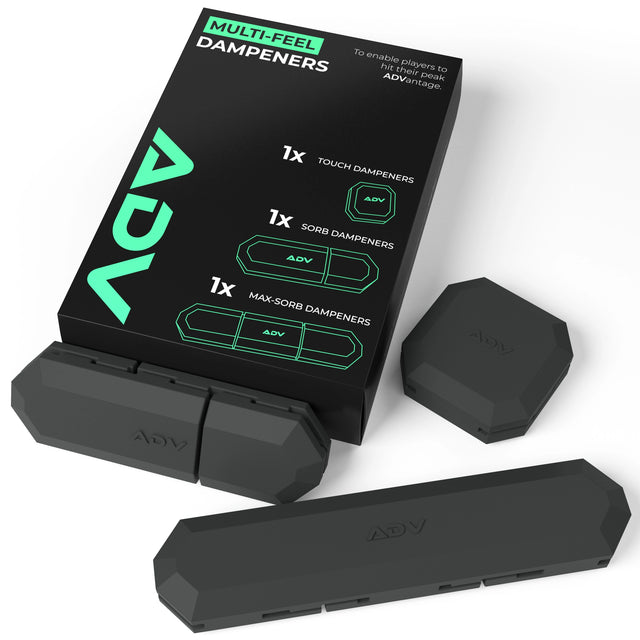
These dampeners can be designed in various shapes, sizes, and materials, enabling more personalized vibration absorption. Whether a player prefers a firmer feel for more precise control or a softer dampener for increased comfort, custom options are available to suit any playing style. It can be fun to personalize a racket with custom colors, logos, or patterns, reflecting a player's personality or team spirit.
Where to Buy Tennis Accessories Online
The internet is a treasure trove of options for those wondering where to buy tennis dampeners. Many online sports retailers and specialty tennis shops like ADV offer a wide range of tennis accessories online. These platforms often provide detailed descriptions and reviews, helping buyers make informed decisions based on their needs. Also, shopping online can offer the convenience of comparing prices and features from different brands, ensuring that players find the best deals on the accessories that will enhance their game.
The Impact of Shock Absorbers on Tennis Rackets
Anti-Vibration Tennis Tools
The use of anti-vibration tennis tools is highly recommended for players who experience discomfort or have a history of arm injuries. These tools, beyond just dampeners, include grips, sleeves, and even specific string types designed to reduce impact forces. Effective vibration management helps maintain arm health, which is crucial for athletes who train frequently and at high intensities. Ensuring that the vibrations are kept to a minimum can significantly prevent the onset of chronic injuries and improve a player's endurance on the court.
Comparing Different Types
Selecting the right tennis racket dampener can make a noticeable difference in how your racket feels and performs. Understanding the differences between various types is essential for choosing the one that best suits your playing style and comfort preferences. Below is a breakdown of the most common types:
- Button Dampeners: One of the most commonly used tennis racket dampeners, button dampeners are small, round, and typically made of silicone or rubber. These dampeners are designed to snap between two central main strings near the bottom of the string bed, providing a moderate level of vibration reduction without significantly altering the racket’s natural feel. They come in various colors, designs, and even novelty shapes, allowing players to personalize their rackets while improving comfort. Button dampeners are favored by players who want to minimize harsh vibrations but still maintain some string feedback for control and precision. Their compact size makes them easy to install and remove, and they stay securely in place during play. For players who prefer a lightweight, minimally intrusive solution, button dampeners are an excellent choice that balances performance with ease of use.
- Worm Dampeners: Unlike button dampeners, worm dampeners are longer and weave through multiple main strings, typically covering a larger surface area of the string bed. This design provides a more effective vibration-dampening effect by reducing the movement of the strings, resulting in a softer, more muted feel when striking the ball. Players who experience discomfort in their arm or elbow due to excessive vibration often gravitate toward worm dampeners because of their enhanced shock-absorbing capabilities. They help stabilize the string bed, reducing the “twang” sound that some players find distracting. However, worm dampeners require a bit more effort to install compared to button dampeners, as they must be carefully threaded through the strings to ensure a secure fit. They are ideal for players who prioritize comfort and want a noticeable reduction in racket vibrations without eliminating string feedback.
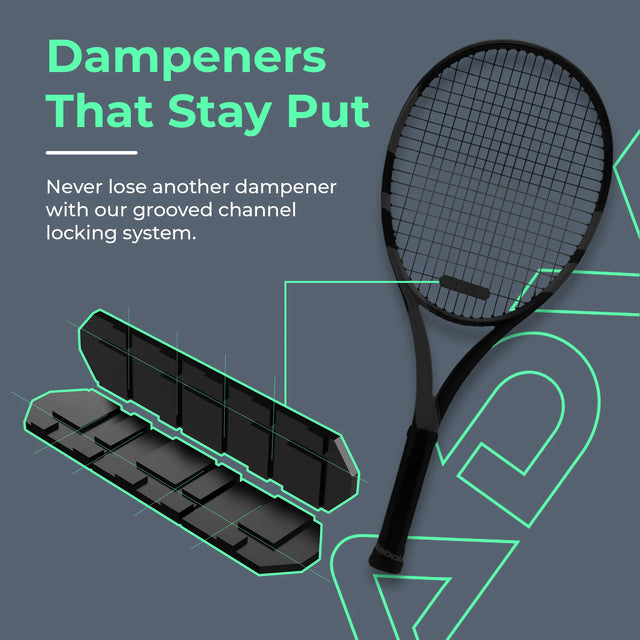
- Slide-on Dampeners: A less common but uniquely functional option, slide-on dampeners fit along the bottom of the racket’s string bed and attach by sliding over the outermost main strings. Unlike button and worm dampeners, which are placed within the string bed, slide-on dampeners stay on the outer edges, reducing vibration while maintaining the overall integrity of the string pattern. They offer a customizable level of dampening, as players can adjust their position slightly to achieve their desired feel. These dampeners are often preferred by players who want to minimize excessive shock without significantly altering the strings' response. Also, they provide a secure fit that prevents movement during play, making them a reliable choice for those who find smaller dampeners prone to falling out. Though not as widely used as other types, slide-on dampeners cater to players seeking an alternative way to fine-tune their racket’s vibration control.
Choosing the right tennis racket dampener depends on personal preference and the level of vibration reduction you desire. Testing different types can help you determine which dampener best complements your playing style and enhances your overall comfort on the court.
Tennis Overgrips Performance: Enhancing Playability
The Benefits of Tennis Overgrips
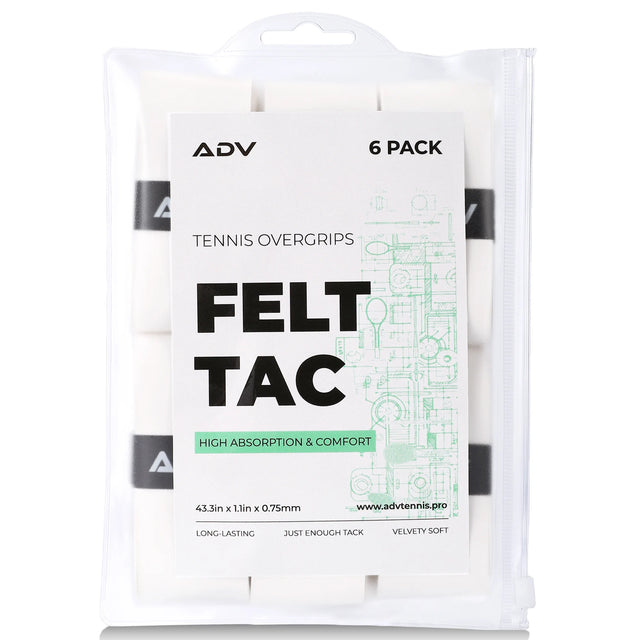
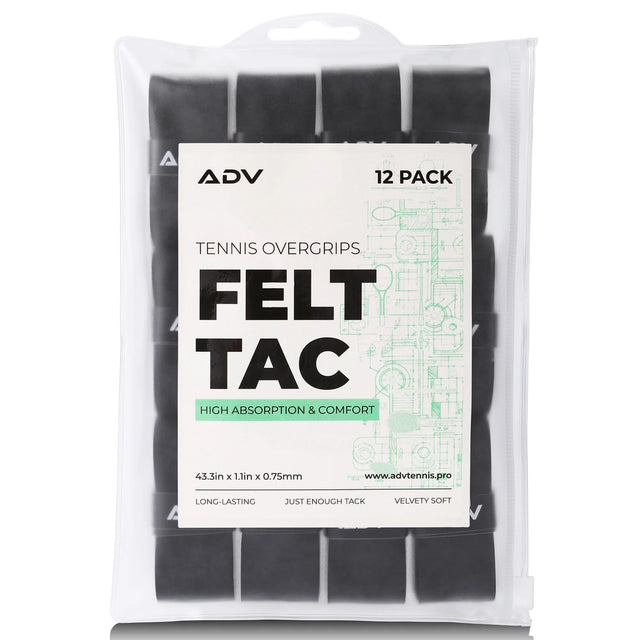
Overgrips provide an additional layer over the original grip, offering improved tackiness and absorption, which are crucial during intense matches or in humid conditions. This added layer helps maintain a firm grip on the racket, reducing the risk of slippage and improving stroke accuracy. Moreover, overgrips can increase the handle's circumference slightly, which can benefit players seeking a better fit to avoid strains and blisters associated with prolonged play.
Features to Look For
When searching for the best overgrip for tennis, several features should be considered to match the player's specific needs. The ideal overgrip should provide excellent moisture absorption, especially for players who sweat heavily or frequently play in damp conditions. The durability of the overgrip is also crucial, as frequent replacements can be inconvenient and costly. Players should also look for overgrips that offer an optimal balance between thickness and feel, as too thick an overgrip can alter the feel of the racket and impact the execution of precise shots.
How Absorbent Overgrips Improve Performance
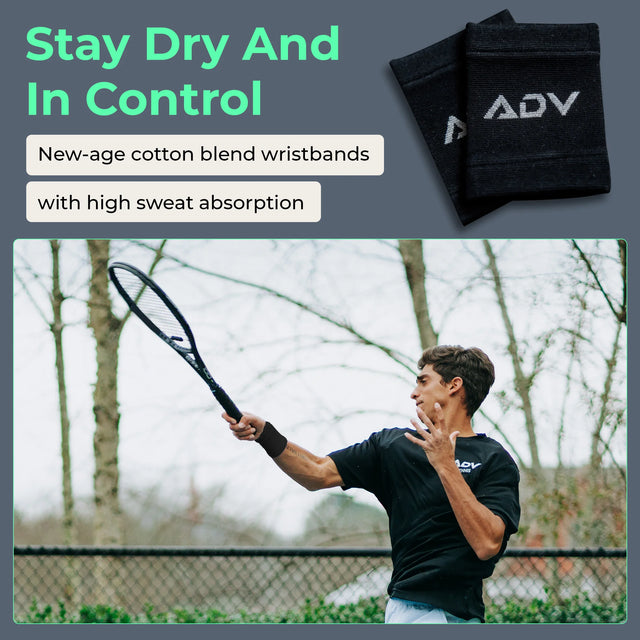
These are designed to wick away moisture effectively, ensuring the racket remains dry and easy to handle. This is particularly important in maintaining control during fast-paced rallies and serves. The right overgrip can prevent moisture build-up, which often leads to slipping, giving players the confidence to perform their best without the distraction of adjusting their grip.
Tennis Racket Grip Tape
It not only secures the overgrip or replacement grip to the racket but also contributes to overall comfort and shock absorption. Quality grip tape should have strong adhesive qualities to remain in place during vigorous play and provide a seamless feel that complements the overgrip. The choice of grip tape can subtly influence the racket's handle ergonomics, affecting grip comfort, racket handling, and even the player's wrist and forearm health.

Comparing Dampeners and Overgrips: Key Considerations for Individualized Selection
When selecting tennis dampeners and overgrips, making the right choice involves a thoughtful comparison of several important factors: material, durability, cost, and how each option aligns with your unique playing needs and preferences. Dampeners come in a variety of materials, most commonly silicone or rubber, each offering distinct performance characteristics. Silicone dampeners are prized for their flexibility and resilience, providing a soft, cushioned feel that effectively absorbs string vibrations. Rubber dampeners, on the other hand, tend to offer a firmer response and may appeal to players seeking more direct feedback from their racket. Similarly, overgrips are available in a range of materials, such as synthetic blends for moisture absorption or tacky polyurethane for enhanced grip. The choice of material directly impacts comfort, grip security, and the overall feel of your racket during play.
Durability is another crucial consideration, especially for players who train frequently or compete at high levels. High-quality dampeners and overgrips maintain their effectiveness over extended use, resisting wear and tear from repeated impacts and environmental exposure. While premium options may come at a higher upfront cost, their longevity often translates into better value over time, reducing the need for frequent replacements. Conversely, budget-friendly accessories may require more frequent changes, potentially offsetting any initial savings. Cost should be weighed not just in terms of purchase price, but also replacement frequency and overall performance benefits.
Tailoring your accessories to your individual needs means factoring in aspects like playing style, sweat levels, and personal comfort preferences. For example, players prone to sweaty hands may prioritize overgrips with superior moisture absorption, while those seeking a particular racket feel might experiment with different dampener types and placements. Some players may also value aesthetics, choosing custom designs or colors that reflect their personality or team spirit.
How to Apply a Tennis Overgrip and Dampener
Step-by-Step Guide
An adequately wrapped overgrip enhances grip stability, absorbs sweat, and prevents the handle from becoming slippery during long matches. Following a step-by-step approach will help you achieve a professional and secure wrap:
- Prepare the Racket: It’s essential to prepare the racket handle properly. Start by removing the existing overgrip and peeling it off slowly to avoid leaving behind torn fragments. If there is sticky residue left from the previous grip, use a damp cloth or rubbing alcohol to clean the handle, ensuring a smooth surface for the new overgrip to adhere to. Dirt, sweat, and oils from your hands can cause slippage, so taking the time to clean the handle thoroughly will improve the new grip’s longevity. If your base grip (the original grip underneath the overgrip) is also worn out, consider replacing it first before proceeding. Proper preparation helps the new overgrip stay securely in place and prevents premature wear and tear during play.
- Check the Overgrip: Once the racket handle is clean, carefully inspect the new overgrip before starting the application process. Most overgrips come in a rolled-up form and include a small piece of finishing tape to secure the end once applied. Unroll the overgrip and locate the tapered end, which usually has a small adhesive backing strip. This is the starting point for wrapping the handle. Some overgrips have a textured or perforated surface for enhanced sweat absorption, so make sure you’re wrapping it with the correct side facing out. Checking the overgrip before application ensures you don’t accidentally start wrapping from the wrong end or apply it in a way that reduces its effectiveness. Preparing everything in advance minimizes mistakes and results in a more secure and comfortable grip.
- Starting the Wrap: Now that the overgrip is ready, begin by placing the tapered end at the bottom of the handle, near the butt cap. Peel off the protective film covering the adhesive strip and press it firmly onto the handle to secure the starting point. Hold the racket in a comfortable position to make wrapping easier. Start wrapping at an angle, ensuring that each layer slightly overlaps the previous one for even coverage. The key is to maintain consistent spacing without leaving gaps or overlaps that are too thick, which can create discomfort when gripping the racket. If your overgrip does not have a self-adhesive starting strip, use your thumb to hold it in place while you begin wrapping. A solid start ensures that the overgrip stays in place throughout the wrapping process and does not loosen during play.
- Wrapping Technique: As you continue wrapping the overgrip up the handle, make sure to maintain a steady and consistent tension. Wrapping too loosely can cause the grip to unravel quickly, while excessive tightness can stretch the material too thin, making it less durable. Aim to overlap each wrap by about 1/8 to 1/4 of an inch to create an even grip thickness without bumps or uneven layers. Some overgrips have guiding ridges or patterns to help maintain uniform wrapping. If you prefer a thicker grip, you can overlap the layers slightly more, but avoid excessive overlaps, which can create an uncomfortable grip feel. Keep rotating the racket as you wrap to ensure smooth application, periodically checking for wrinkles or folds that may cause discomfort during gameplay.
- Finishing the Wrap: When you reach the top of the handle, cut the excess overgrip with scissors if it hasn’t been pre-cut to fit the racket length. Ensure the grip's final edge aligns neatly with the end of the handle, avoiding any loose or uneven sections. Most overgrips come with an adhesive finishing tape, which should be wrapped around the top edge to keep the overgrip securely in place. Press down firmly to ensure the tape adheres well, preventing the overgrip from unraveling during intense gameplay. Some players choose to add an additional layer of electrical tape for extra security. Once finished, grip the handle a few times to check for comfort and adjust if needed. Proper finishing ensures that the overgrip stays intact, providing reliable grip support and durability over time.
While the process may take a few attempts to perfect, practicing the wrapping technique will make future applications quicker and more efficient. Regularly changing your overgrip prevents handle slippage and extends the life of your racket’s base grip.
Application and Placement of Dampeners
Installing a tennis dampener is a straightforward process, but proper placement is crucial for both effectiveness and compliance with official regulations. To install a dampener, first identify the two main central strings near the throat of the racket. For button-style dampeners, press the dampener firmly between these strings just below the lowest cross string. This is the optimal position as it maximizes vibration absorption while ensuring the dampener does not interfere with ball contact or string movement. Worm-style dampeners require a slightly different technique: weave the dampener through several main strings, also starting below the lowest cross string, ensuring it sits securely and evenly for consistent performance. It’s important to note that, according to the International Tennis Federation, dampeners must be placed outside the pattern of the cross strings and should not extend into the hitting area of the string bed. After installation, lightly tap the strings or hit a few balls to test the dampener’s stability and feel—if it shifts or feels loose, readjust its position until it sits snugly. When removing a dampener, gently pull it out to avoid damaging the strings or causing unnecessary wear. Regularly inspect your dampener for signs of wear or loss of elasticity and replace it as needed to maintain optimal performance and comfort.

Clarifying Myths and Misconceptions
Despite their popularity, tennis dampeners and overgrips are often surrounded by myths and misconceptions that can mislead players about their true impact. One common belief is that dampeners can prevent or cure tennis elbow and other arm injuries. In reality, while dampeners do reduce the vibrations felt through the racket’s strings, scientific studies and expert opinions consistently indicate that they do not significantly decrease the harmful vibrations transmitted to the arm or prevent injuries like tennis elbow. Their main effect is altering the sound and feel of ball contact, providing a more muted “thud” rather than a sharp “ping,” which some players find more comfortable or reassuring. Similarly, overgrips are sometimes thought to improve playing ability or completely eliminate slippage and blisters drastically. In truth, overgrips enhance grip comfort, absorb moisture, and can slightly adjust handle thickness, but they cannot compensate for poor technique or an ill-fitting base grip.
With the right accessories, players can ensure that their tennis gear is a tool and a tailored extension of their skills and ambitions on the court. Whether you are a casual enthusiast or a professional athlete, taking the time to choose the right dampeners and overgrips can make a substantial difference in your play quality and enjoyment of the game. Upgrade your on-court comfort and control by shopping premium tennis dampeners, overgrips, and performance accessories engineered for serious players at ADV Tennis. Remember, in a sport where every detail counts, the perfect combination of equipment can help you stay one step ahead of the competition.