How To Choose The Best Pickleball Gear For Maximum Performance
In pickleball, just as in any sport, the right gear can significantly enhance your performance on the court. Choosing the best gear involves more than just picking the highest-rated or most popular items; it requires an understanding of how specific features of equipment, such as pickleball bags, paddles, and shoes, can enhance your agility, stamina, and overall effectiveness during a game. This understanding ensures that every piece of gear you select is optimized to help you play your best, contributing not only to your technique but also to preventing injuries.

Finding the Right Pickleball Gear Bag or Backpack
Compact vs. Large Pickleball Bags
Compact pickleball bags are ideal for players who prefer to carry only the essentials. Typically, a couple of paddles, a few balls, and minimal personal items. These bags are lightweight and easy to manage, making them perfect for quick games or for those who travel light. On the other hand, large pickleball bags offer extensive space, suitable for tournament players who might need extra paddles, several types of balls, more extensive hydration options, and additional gear like changeable clothing and protective equipment.
Key Features
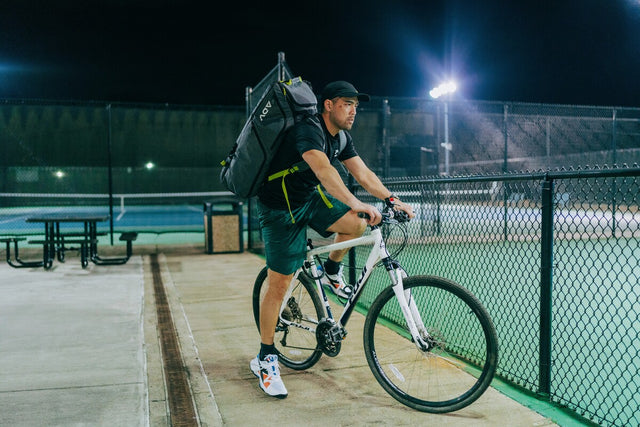
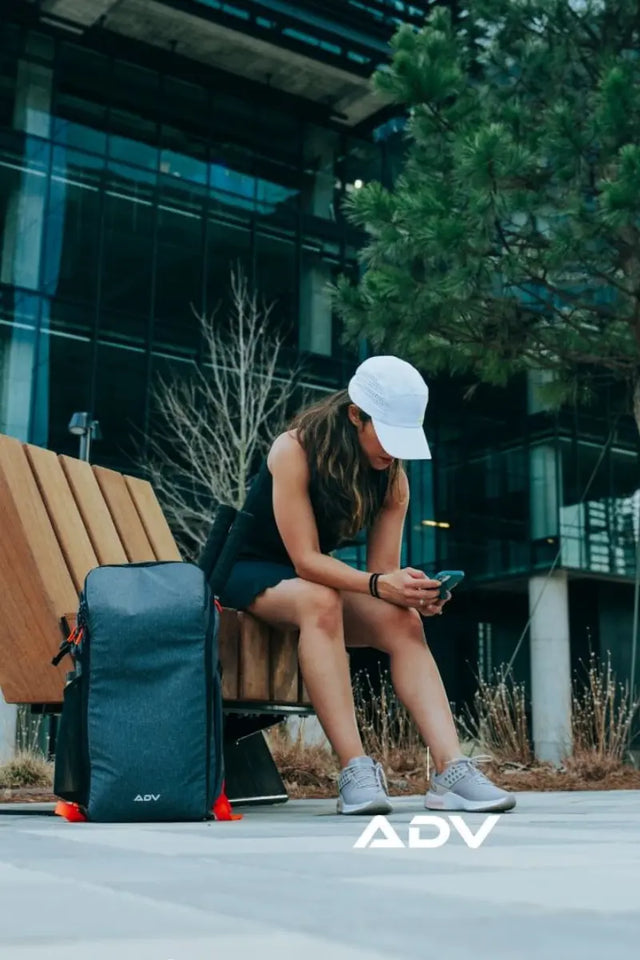
A pickleball backpack designed for performance not only holds your equipment but enhances your game-day experience. Look for features such as padded straps for comfort, durable materials that withstand varied weather conditions, and multiple compartments for organized storage. Advanced models may include insulated sections for hydration bottles, ventilated pockets for sweaty clothes or shoes, and secure pockets for valuables.
Men’s Pickleball Bags vs. Unisex Options
Unisex pickleball bags prioritize adaptability and wide appeal, while men's pickleball bags feature unique design cues and color schemes to suit the tastes and styles of male players. Men’s bags might feature more robust construction and larger compartments as they are often designed with the assumption that men carry more or heavier gear. However, unisex bags are crafted to cater to all players, emphasizing practical functionality over style. The choice between men's and unisex bags should depend on personal preference, required space, and the specific features that match a player's needs.
How to Organize Gear for Quick Access
Utilize compartments to segregate your gear: paddles in one section, balls in a breathable pocket, and personal items like keys and phones in a secure, easily accessible spot. Consider using a pickleball racquet bag with labeled compartments or customizable dividers. The ability to quickly access your gear not only saves time but also reduces the stress of searching through an unorganized bag, allowing you to maintain focus and conserve energy for the game.
Selecting the Ideal Pickleball Paddle for Your Game
Improve Control and Agility
Choosing lightweight pickleball paddles can greatly enhance your control and agility on the court. These paddles allow for faster swings and quicker defensive maneuvers, crucial during intense volleys and rapid exchanges. The reduced weight reduces player fatigue, enabling more sustained play with consistent performance. This type of paddle is particularly beneficial for players who rely on speed and precision rather than power, as it helps maintain a high level of play without straining the muscles.
Paddle Material and Weight
Your pickleball playing style and performance can be greatly improved by choosing the right material and weight for your paddle. The choice depends on your level of skill, your typical playing style, and what feel you prefer during gameplay. Each type of material offers unique benefits and caters to different preferences and needs:
- Graphite Paddles: Graphite paddles are a top choice for players who prioritize a lightweight feel combined with superior control. The key advantage of graphite is its ability to provide a firm and responsive surface that enhances touch and precision in the game. These paddles are particularly beneficial for players who rely on strategic placement and finesse rather than brute force. Durable and long-lasting, graphite paddles resist wear and tear, making them a worthwhile investment for serious players seeking to refine their skill set.
- Composite Paddles: Composite paddles are versatile and cater to players who desire a blend of power and control. These paddles are made from a mixture of materials, which can include fiberglass, carbon fiber, and polymer cores, offering a range of weights and flexibilities. This variety allows players to select a paddle that closely matches their playing style, whether they need more power for aggressive play or enhanced control for precision shots. The adaptability of composite paddles makes them a popular choice among intermediate and advanced players who appreciate the ability to customize their pickleball gear.
- Wood Paddles: For those just starting out or on a tight budget, wood paddles are a great choice. Despite being heavier, wood paddles provide a solid base that can enhance power shots, making them easier to handle for those just learning the ropes. The durability of wood ensures that these paddles can withstand the rigors of frequent play, which is ideal for recreational settings or community centers. The affordability of wood paddles makes them accessible, encouraging new players to enter the sport without a significant upfront investment.
Understanding the differences in paddle materials and weights is crucial for optimizing your play. Whether you're a beginner looking for a solid, budget-friendly option or an advanced player seeking to fine-tune your game with a paddle that offers specific benefits, there's a material suited to your needs. Matching the right paddle with your playing style can lead to noticeable improvements on the court, making the game more enjoyable and competitive.
The Role of Grip Size
An appropriately sized grip enhances your comfort and reduces the risk of injuries such as wrist strain or blisters. Generally, a smaller grip allows for better wrist action, increasing spin and control, while a larger grip can offer more stability and power. It's essential to test different grip sizes to find one that feels natural in your hand, ensuring that your hold is both secure and comfortable.
Paddle Maintenance Tips
Maintaining your paddle properly can extend its life and performance. Regular cleaning of the paddle face from dirt and debris ensures optimal contact with the ball, preserving the surface integrity. Inspecting the grip for wear and replacing it as needed can prevent slippage and maintain comfort. Storing your paddle in a temperature-controlled environment avoids material degradation due to extreme conditions. By following these simple maintenance steps, your paddle will remain a reliable tool in your pickleball arsenal.
Optimizing Paddle Performance with Grip Tape and Overgrip
Improves Comfort and Control
The addition of pickleball grip tape to your paddle handle can significantly enhance both comfort and control during play. This tape provides a tackier surface, ensuring a firmer grip, which reduces the chance of the paddle slipping from your hand during intense rallies. Moreover, grip tape can absorb some of the shock from ball impact, reducing fatigue and stress on the hands and wrists. Such an improvement in grip stability allows players to execute more precise and controlled shots with less effort.
The Benefits of Overgrip
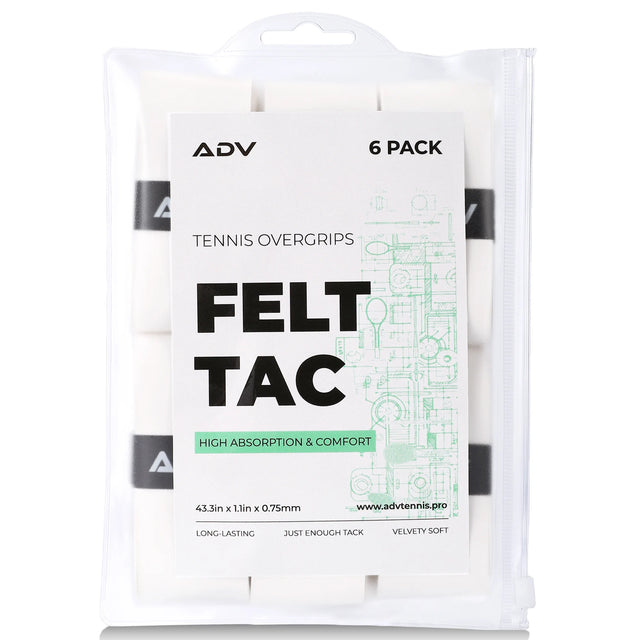
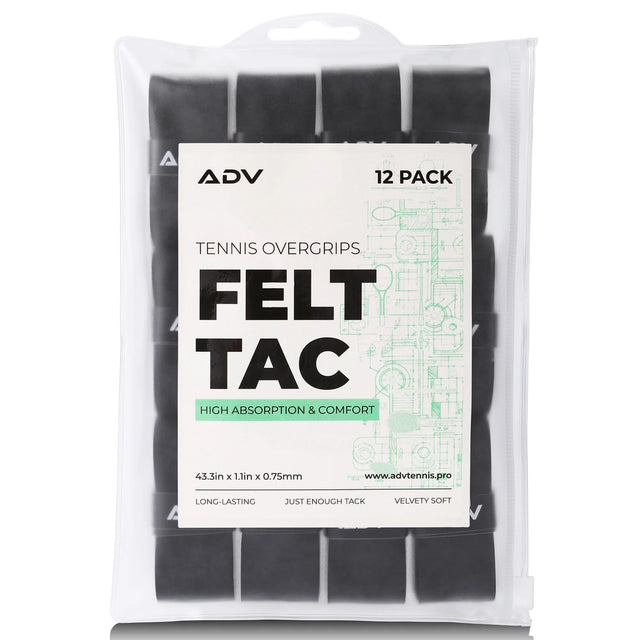
Utilizing a pickleball overgrip is particularly advantageous during long matches, where sweat and fatigue might otherwise compromise your hold on the paddle. Overgrips are designed to be especially absorbent, providing a dry surface regardless of sweat, which helps maintain optimal control and comfort over extended periods. These overgrips are typically thinner and lighter than standard grips, offering a more responsive feel without significantly increasing the paddle's bulk or weight.
Best Pickleball Grip Tapes and Overgrips
High-quality pickleball grip tape should offer a balance of tackiness and cushion to maintain effectiveness over time without peeling or wearing down quickly. Similarly, the best pickleball overgrip should be easy to wrap, absorb moisture well, and feel comfortable against the skin. These characteristics ensure that the grip enhancements do not distract from gameplay but instead contribute to a seamless performance.

When and How to Replace
Knowing when to replace your grip tape and overgrip can keep your paddle in top playing condition. Grip tape should be replaced once it begins to smooth out or lose its tackiness, which can compromise grip security and control. Overgrips might need more frequent changes depending on usage intensity and weather conditions, as they are more prone to wear from moisture and dirt. To replace, carefully remove the old grip, ensuring no residue is left on the handle, and wrap the new grip tightly around the paddle handle, securing it in place to prevent slipping or bunching.
Apparel and Clothing
Choosing the right apparel for pickleball is essential for maximizing both comfort and performance on the court. Functional pickleball clothing starts with moisture-wicking tops, such as lightweight synthetic shirts or tanks that draw sweat away from the skin, keeping you dry and cool during intense rallies. Breathability is key. Look for mesh panels or ventilated fabrics that promote airflow and help regulate body temperature, especially during long matches or in warm conditions. For bottoms, opt for flexible shorts, skirts, or skorts designed explicitly for racquet sports. These should allow a full range of motion for lunges, quick pivots, and sprints, while features like built-in liners or ball pockets add practical convenience. Avoid restrictive fabrics or heavy cotton that can trap heat and cause chafing. Sport-specific pickleball clothing often includes reinforced seams for durability and ergonomic cuts tailored for active movement, ensuring your apparel works with you, not against you. Consider accessories like hats or visors to shield your eyes from the sun, and moisture-wicking socks to prevent blisters.
Pickleball Ball Choice
There are differences between indoor and outdoor pickleball balls, what features to look for, and how ball selection can affect gameplay. Indoor balls are typically lighter, softer, and have fewer, larger holes, making them ideal for controlled rallies and slower play on smooth surfaces. Outdoor balls are heavier, harder, and feature more, smaller holes to withstand wind and rougher courts, resulting in a faster, higher-bouncing game that demands quicker reactions. When choosing a ball, consider durability, bounce consistency, and whether it meets official standards. Using the appropriate ball for your playing environment enhances control, consistency, and overall enjoyment, while the wrong choice can hinder performance and gameplay quality.
Net Systems and Court Setup
When picking a pickleball net system, it’s important to consider your playing environment and how often you’ll need to transport or set up the net. Portability is key for players who want to practice in different locations or need to store the net between uses. Look for lightweight, easy-to-assemble systems that come with a carrying case for convenient travel. Quality should not be overlooked: a durable frame and weather-resistant netting ensure your system will withstand frequent use and exposure to the elements, whether indoors or outdoors. Make sure the net meets the official regulation size for proper gameplay, especially if you’re preparing for competitive play. For home use, a sturdy net that’s simple to set up and take down can turn your driveway or backyard into a functional court, while a highly portable option is ideal for travel or impromptu games at parks and community centers. Selecting the right net system enhances both convenience and your overall playing experience.
Choosing Footwear for Stability and Performance
Why Proper Shoes Matter for Footwork
Proper footwear is essential not just for comfort, but for enhancing agility, stability, and overall footwork on the court. Each characteristic of a pickleball shoe serves a specific purpose that contributes to a player's ability to perform effectively:
- Traction and Grip: Effective traction in pickleball shoes is critical for maintaining balance and stability during the game. The courts can be slippery, especially if outdoor conditions are involved, and having shoes with a good grip helps prevent accidental slips and falls. This feature is crucial during fast-paced games where quick and sudden movements are common. Players can move quickly and confidently while wearing shoes with good traction, which makes stopping and turning at a sharp angle safer and easier to manage.
- Support: Proper support in the shoe is crucial for pickleball players, as the game requires extensive lateral movement and quick shifts in direction. Good arch and ankle support help to stabilize these movements and prevent injuries such as sprains or strains. Shoes designed specifically for pickleball often feature enhanced support mechanisms around these critical areas to ensure that players can move vigorously and safely without risking injury to their feet or ankles.
- Cushioning: Cushioning in pickleball shoes plays a significant role in absorbing the shock and impact associated with continuous jumps and sprints. Adequate cushioning reduces stress on the knees, hips, and back, enabling players to sustain longer sessions without fatigue or discomfort. This feature is particularly beneficial for players who play frequently or who have pre-existing joint issues, as it helps to reduce the cumulative strain on the body.
- Breathability: Ventilation in pickleball shoes helps keep feet cool and dry throughout the game. Proper airflow prevents moisture buildup, which can lead to blisters and other discomforts. Breathable shoes let players perform at their best without being distracted by sweaty or unpleasant feet. They also improve foot health and comfort.
- Flexibility: The flexibility of a shoe's sole is essential for accommodating the natural movement of the foot during various pickleball plays. Flexible soles ensure that the foot can bend and twist naturally, which is crucial for executing quick directional changes and complex footwork. Shoes that are too rigid can restrict movement and make it difficult to respond swiftly to opponents’ shots, whereas more flexible options enhance agility and responsiveness on the court.
With the right pair of shoes, players can enhance their footwork, reduce the risk of injury, and enjoy a more comfortable and successful game. This ensures that both new and seasoned players can find the footwear that best meets their needs for both safety and performance on the pickleball court.
Features to Look for
When shopping for the best pickleball shoes, key features to consider include non-marking soles, superior arch support, and lightweight construction. Non-marking soles are essential as they prevent damage to court surfaces, which is often a requirement in facilities. Arch support is crucial for preventing mid-game discomfort and reducing the risk of injuries like plantar fasciitis. Lightweight shoes enhance your agility, allowing for swift movements without adding strain to your legs.
How Support and Cushioning Prevent Injury
The structure of a shoe should align well with the contours of your foot, providing stability that helps prevent ankle rolls and other common sports injuries. Cushioning not only improves comfort but also absorbs the shock of high-impact movements, preserving your joints and muscles from stress and potential long-term damage. This is especially important in a sport like pickleball, where the pace can shift suddenly, requiring constant starts, stops, and pivots.
Must-Have Accessories for Peak Performance
Wristbands and Headbands
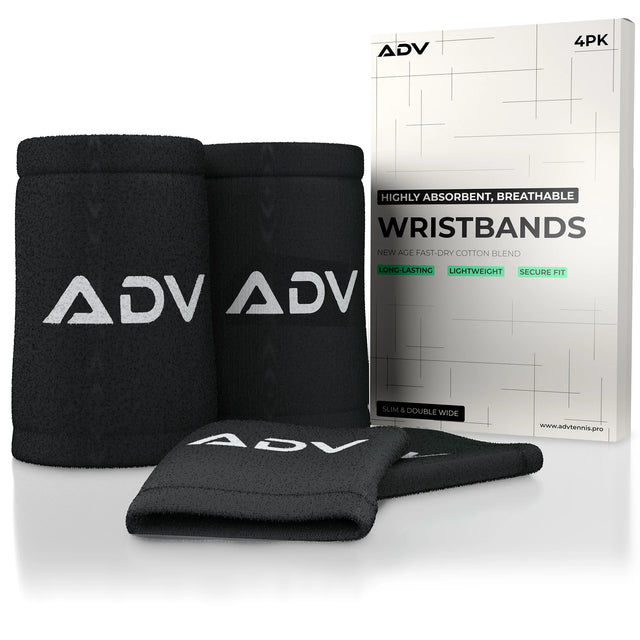
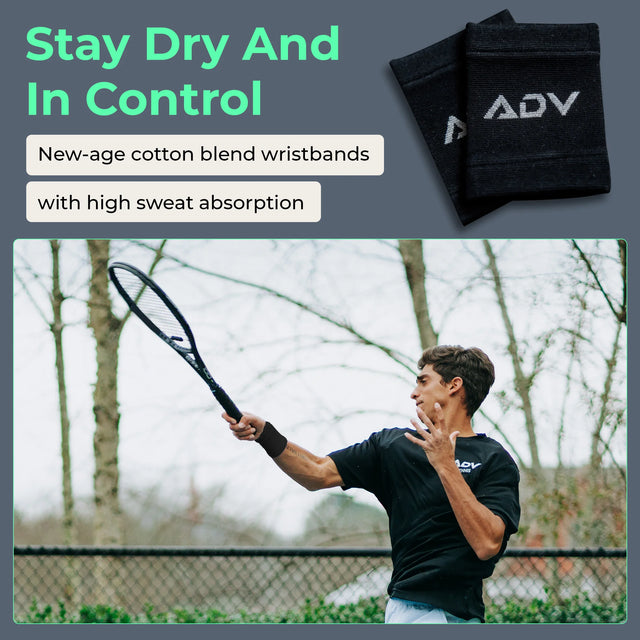
These are more than just stylistic accessories; they play a critical role in managing sweat during intense pickleball matches. These accessories help absorb sweat before it can interfere with your grip or drip into your eyes, which could impair your vision during crucial moments. By keeping sweat at bay, wristbands and headbands allow players to maintain a firm grip on their paddles and stay focused on the game, enhancing overall performance.
Essential Hydration Gear
Staying hydrated is key to maintaining peak performance in pickleball, especially during long matches or on hot days. Hydration gear, such as insulated water bottles or hydration packs, ensures that players have easy access to fluids without frequent interruptions. Proper hydration helps maintain energy levels, reduces the risk of cramps and fatigue, and keeps your mind sharp, all of which are crucial for competitive play.
Buying Complete Pickleball Sets
When shopping for a complete pickleball set, it’s important to go beyond just the price tag or flashy packaging. The right set should not only get you started but also support your growth and enjoyment in the sport. Here are four essential factors to consider:
- Quality of Components: The overall quality of a pickleball set is crucial for both performance and durability. Look for paddles made from reliable materials such as graphite, composite, or high-grade wood, and ensure balls are sturdy enough to withstand repeated play. High-quality sets are less likely to suffer from defects like dead spots or broken handles, and they’ll maintain their performance over time. Buying from reputable brands or manufacturers is a smart way to avoid low-quality gear that could hinder your progress.
- Included Items in the Set: A true complete pickleball set should provide all the essentials needed to start playing right away. At a minimum, expect two or four paddles and several pickleballs. Many sets also include a carrying bag for easy transport and storage, and some offer valuable extras like paddle covers, replacement grips, or even a portable net. Assess what’s included to ensure you’re getting good value and won’t need to make additional purchases before hitting the court.
- Portability and Convenience: Portability is especially important if you plan to play at different locations or travel with your gear. Look for sets that include a durable, easy-to-carry bag with compartments for organizing your paddles, balls, and accessories. Lightweight sets are easier to transport, and features like padded straps or ergonomic handles can make carrying your gear more comfortable. The ability to quickly pack up and move your set adds significant convenience, especially for families or groups on the go.
- Compliance with Official Standards: To ensure fair play and eligibility for tournaments, make sure the paddles and balls in your set comply with USA Pickleball or other recognized standards. Officially compliant paddles adhere to specific size, weight, and surface requirements, while regulation balls guarantee consistent performance. Sets that meet these standards allow you to transition smoothly from casual to competitive play and help maintain a level playing field for everyone involved.
By carefully considering these four factors, you’ll be better equipped to select a complete pickleball set that not only meets your immediate needs but also supports your long-term enjoyment and success in the sport.

To ensure your equipment remains in top condition and continues to support your performance over time, regular maintenance is key. This includes cleaning your performance pickleball gear after each use, storing it properly to avoid damage, and checking regularly for signs of wear and tear. Replace them as soon as they start to show signs of deterioration to maintain optimal grip and comfort. By caring for your gear, you extend its lifespan and maximize your investment, ensuring that you always have the best tools at your disposal for every match. Elevate your pickleball performance with premium paddles, grips, and gear designed for control and power from ADV Tennis.